Five years since the Taliban takeover: State of women’s rights in Afghanistan

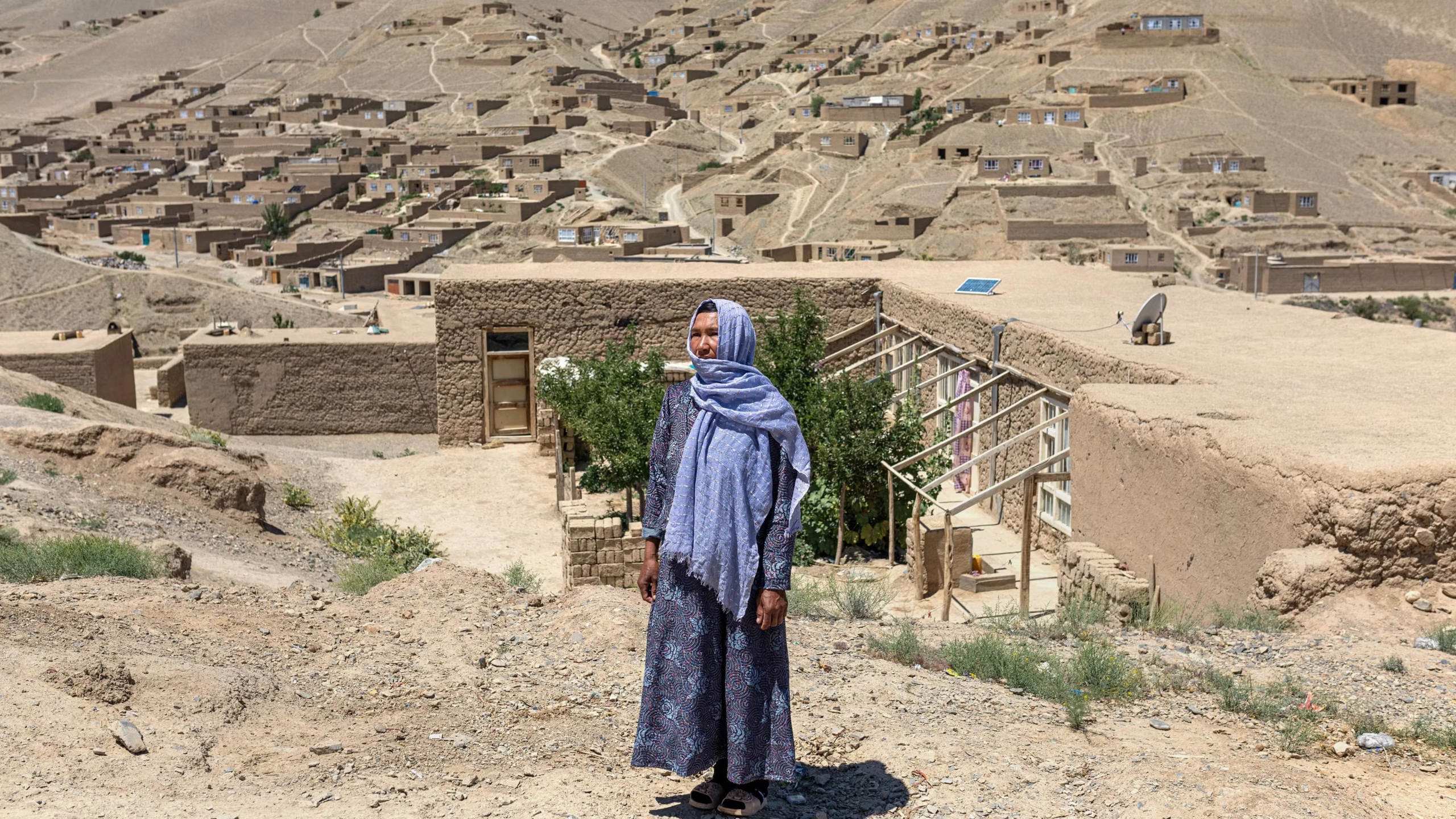
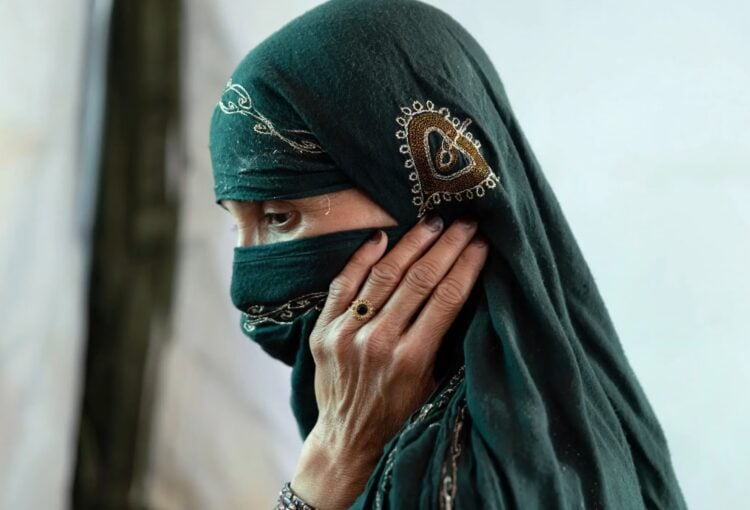
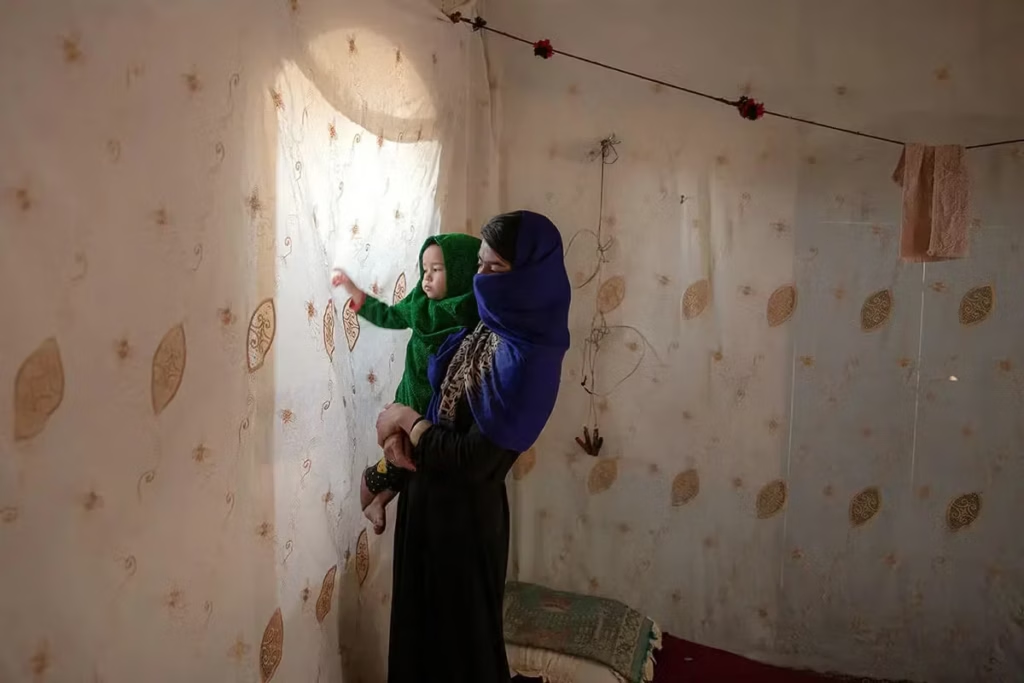
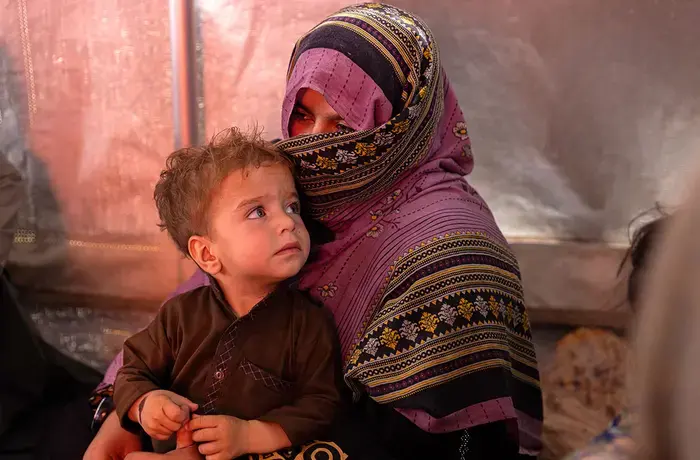
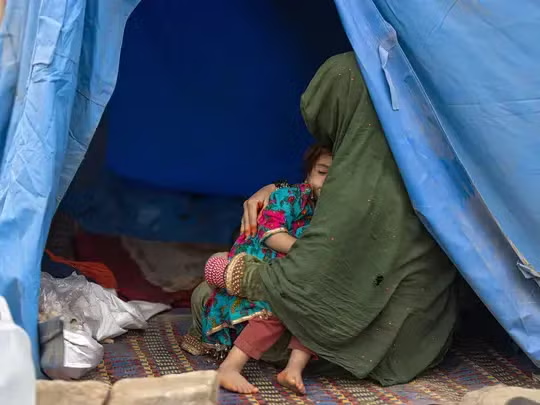
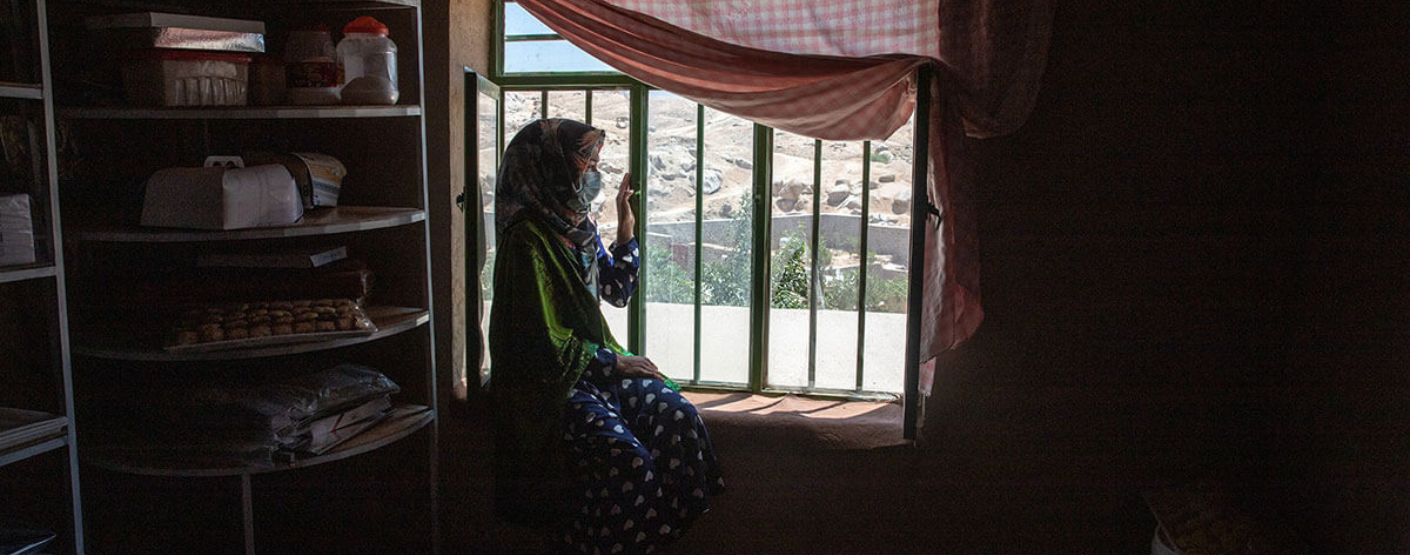
Zahra* is a mother of five, including four daughters, living in central Afghanistan. (*Name changed to protect her identity.) After her husband left – leaving Zahra to care for their children with limited financial support, in an increasingly restrictive environment – she turned to a local women-led organisation which is supported by UN Women. Photo: UN Women/Sayed Habib Bidell

Five years after the Taliban takeover in Afghanistan, the de facto authorities have issued more than 100 decrees affecting Afghan women and girls and stripping them of their rights, freedoms, and dignity.

No other country has dismantled the rights of half its population through law, policy, and practice to the same extent.

Half a decade in, the most severe women’s rights crisis in the world is being normalised.

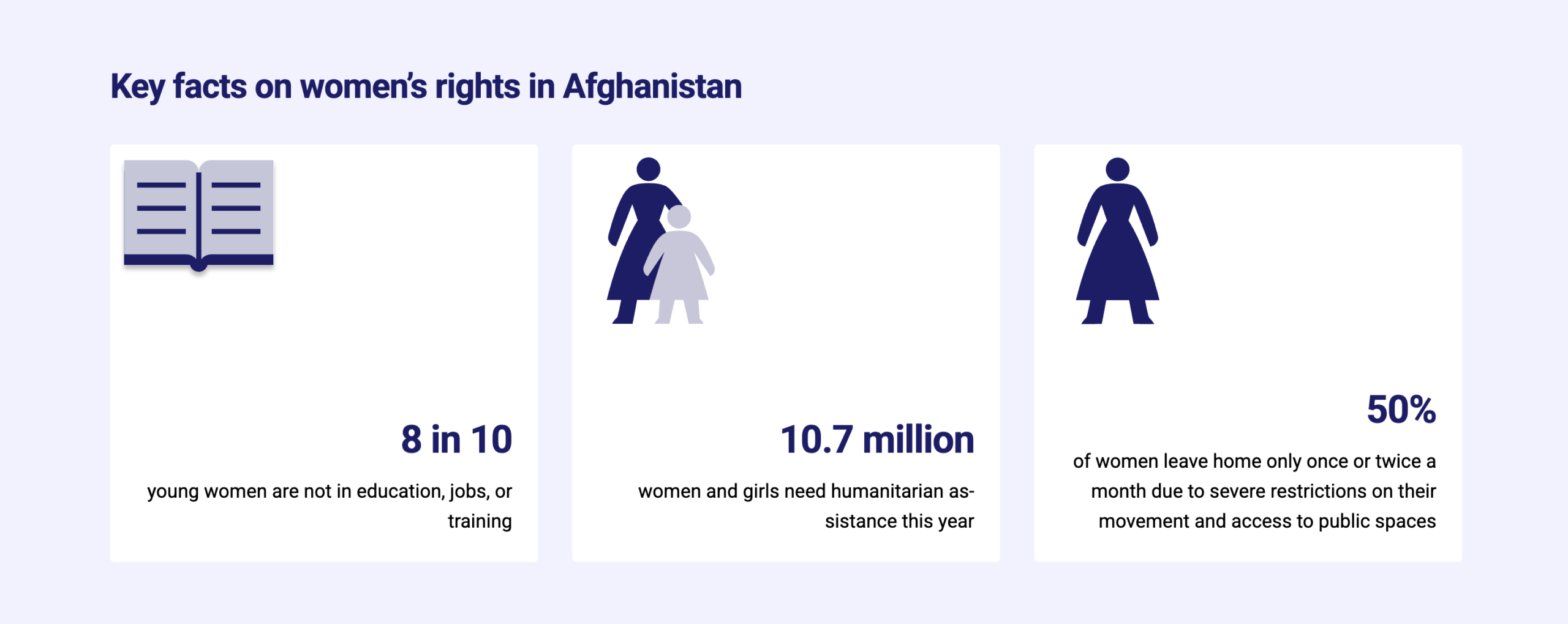
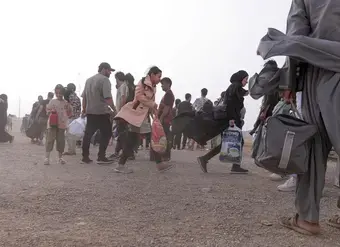
From around the age of 13, girls are banned from school. Women are barred from most jobs, universities, and political life and, in many parts of the country, can’t walk on the streets unaccompanied by men. Many are no longer able to make decisions even within their own households.

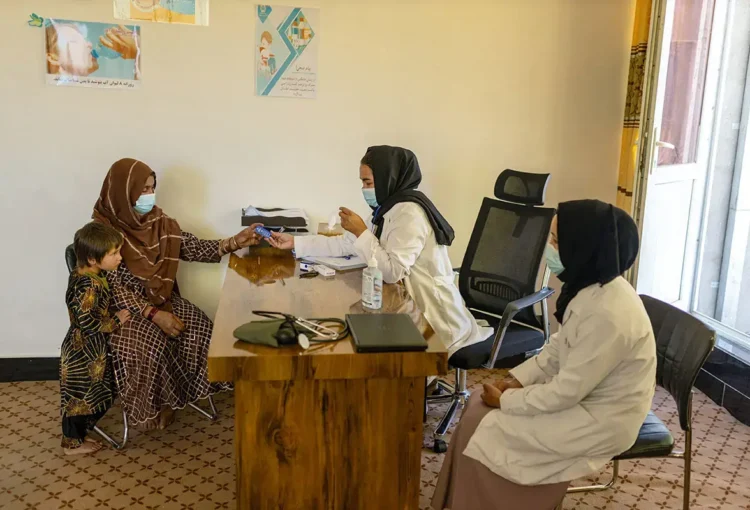
Growing shortages of women health workers, limited access to essential medicines, and restrictions that, in some communities, prevent women from being treated by male doctors mean that many women are unable to access the health care they need.

The results are devastating. Many women are living shorter, less healthy lives. The risks of maternal death, child marriage, and violence against women are growing.

More women are reporting feeling unsafe leaving home without a male guardian. At the same time, being confined to the home – combined with the loss of education, work, community, and physical activity – has triggered a mental health crisis.

Overlapping humanitarian crises, climate shocks, and deepening poverty are also having a disproportionate impact on women and girls.

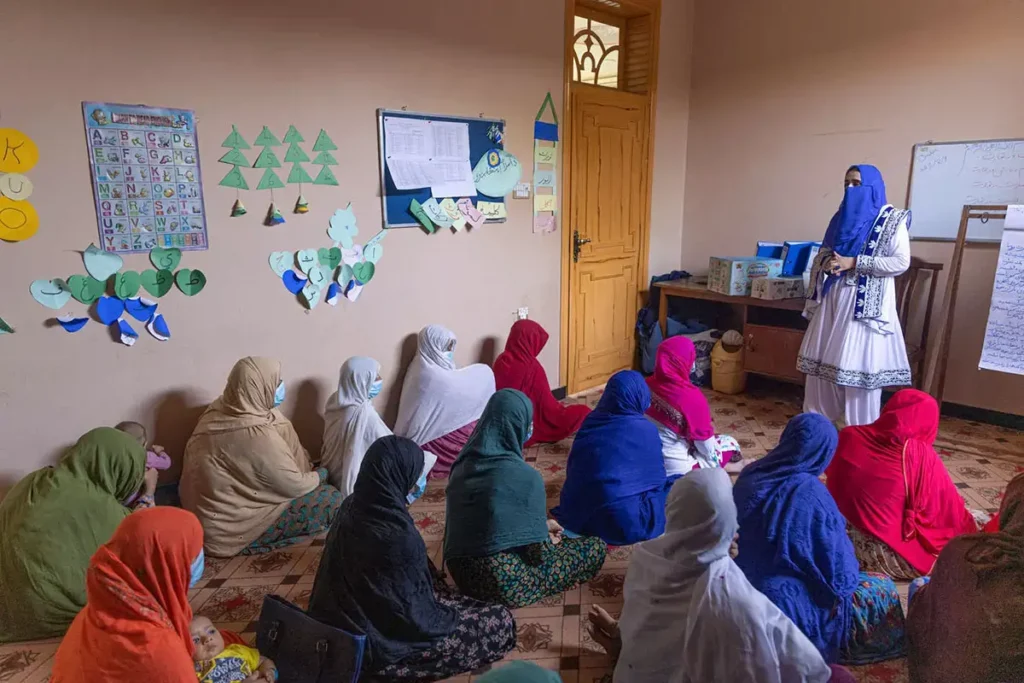
International funding cuts are worsening the already dire situation. More than half of women-led organisations in Afghanistan expect to suspend or close within the next year because of these cuts, threatening one of the last remaining lifelines for women and girls.

Despite everything, Afghan women and girls continue to show extraordinary strength and courage. But they should not have to face these challenges alone.

Five years on, the international community cannot accept this situation as normal. The world must act now – not only to meet urgent needs, but to stand with Afghan women as they fight to build a future with equal rights for all women and girls.

Listen. Fund. Share. For ALL Women and Girls in Afghanistan.
Read more about Afghan women

Help Afghan women and girls

Afghan women and girls are facing the most severe women’s rights crisis in the world.

Four years since the Taliban takeover, waves of restrictions have stripped them of their rights and dignity, and not one has been reversed.

UN Women is on the ground supporting Afghan women to meet urgent needs and to protect their rights. But we cannot do it without you.

Gender Index 2024: Afghanistan

Since the Taliban takeover in August 2021, UN Women has witnessed a deliberate and unprecedented assault on the rights, freedoms, and dignity of Afghan women and girls. UN Women’s 2024 Afghanistan Gender Index is the most comprehensive assessment of women’s empowerment and gender parity in the country since that turning point.

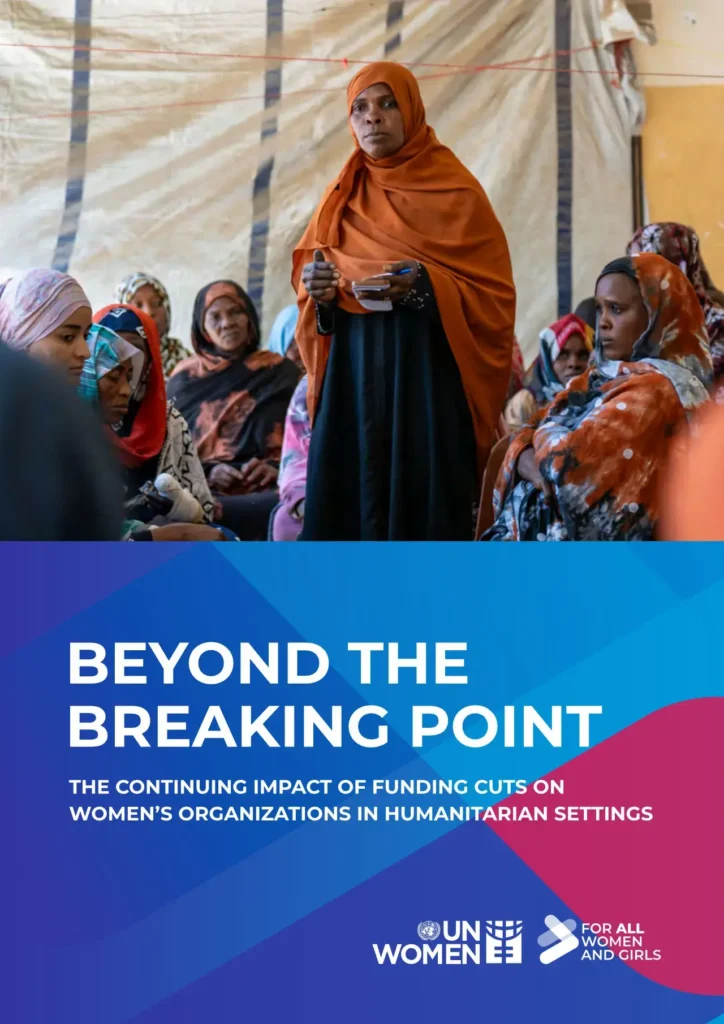
Beyond the breaking point: The continuing impact of funding cuts on women’s organisations in humanitarian settings

The report concludes with priority actions for donors, humanitarian actors, and development partners to protect essential services, strengthen women-led and women’s rights organisations, reform humanitarian financing, and advance more equitable, locally led, and gender-responsive humanitarian action.

Originally published by UN Women