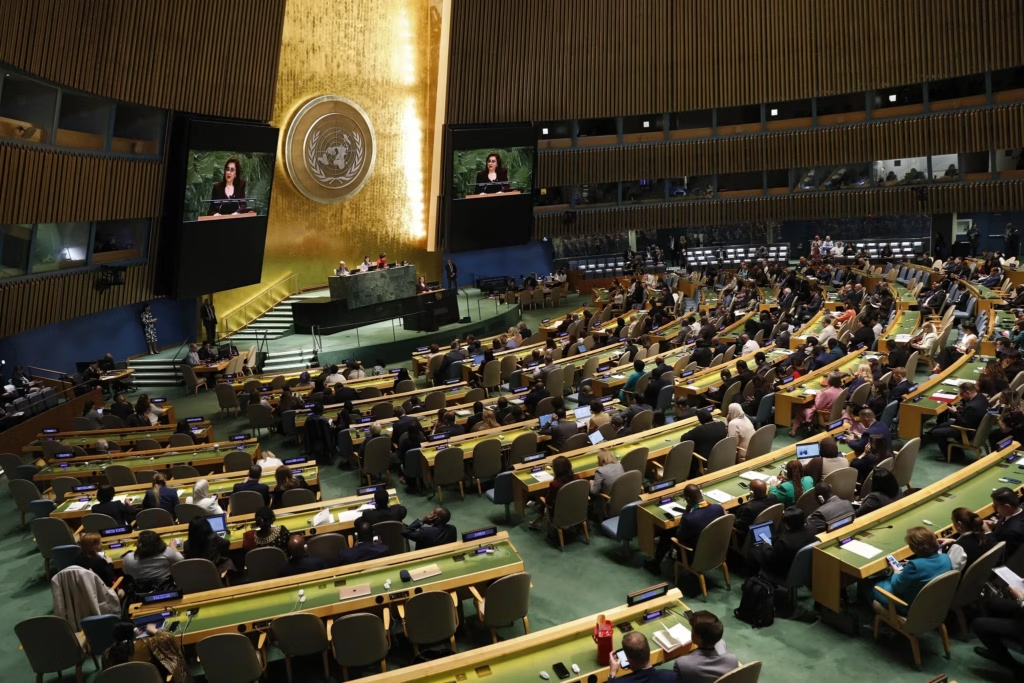
The 81st session of the United Nations General Assembly (UNGA81) opens on 8 September under the theme, “Restoring trust, managing transformation: a United Nations that delivers for all” – with the high-level General Debate running from 22 to 26 and 28 September.
UNGA81 arrives amid a record number of conflicts, stalled progress towards the Sustainable Development Goals (SDGs), and an organised backlash on the rights of women and girls.
This is why realizing the power and rights of all women and girls is more important than ever: The multilateral system cannot deliver peace, development, or rights for anyone while women don’t have equal access to power.
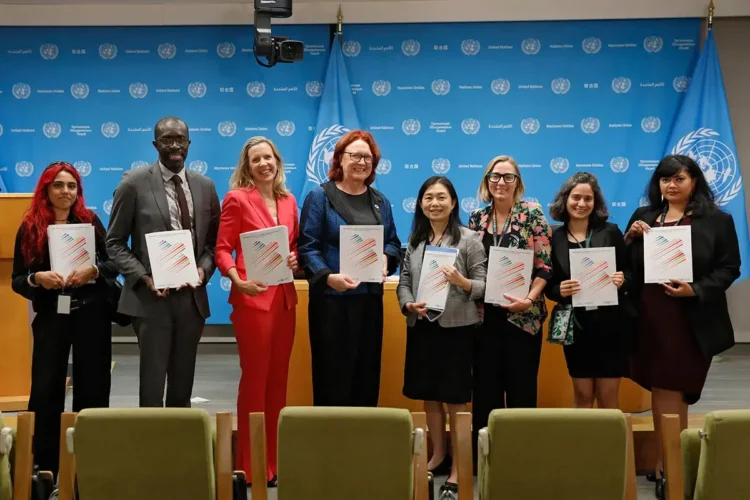
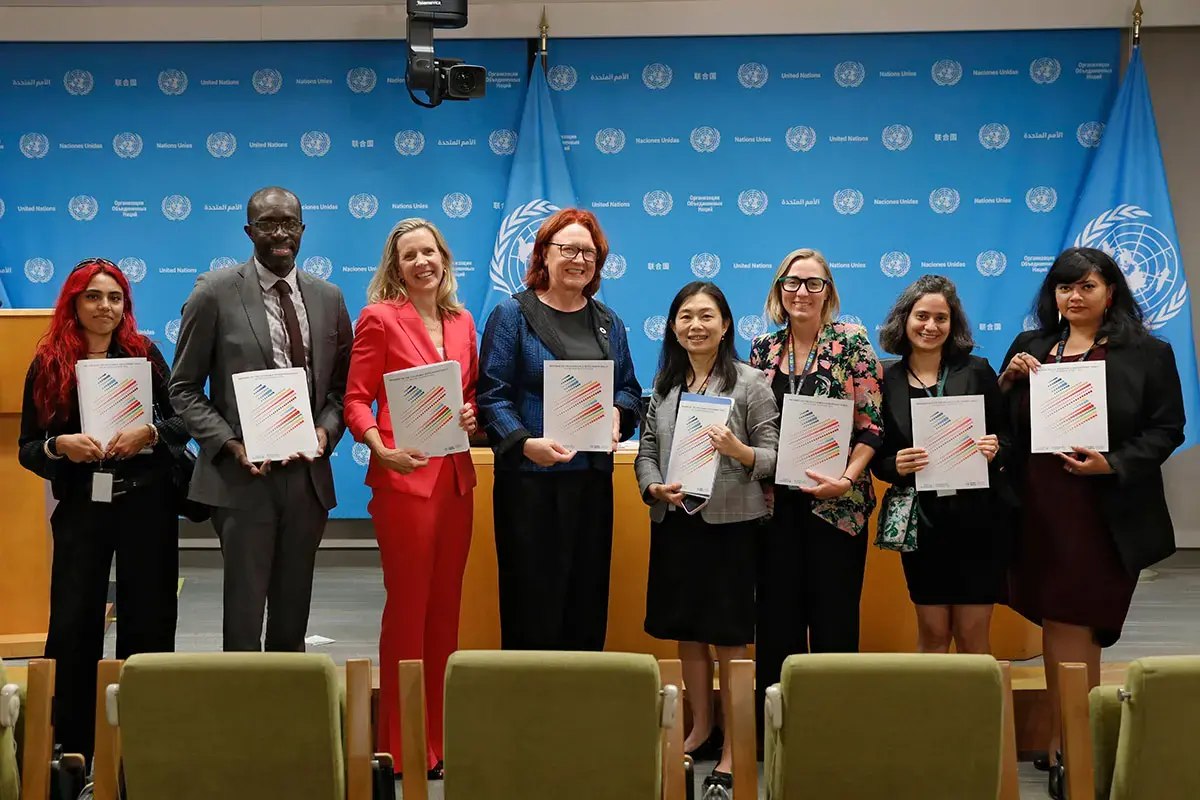
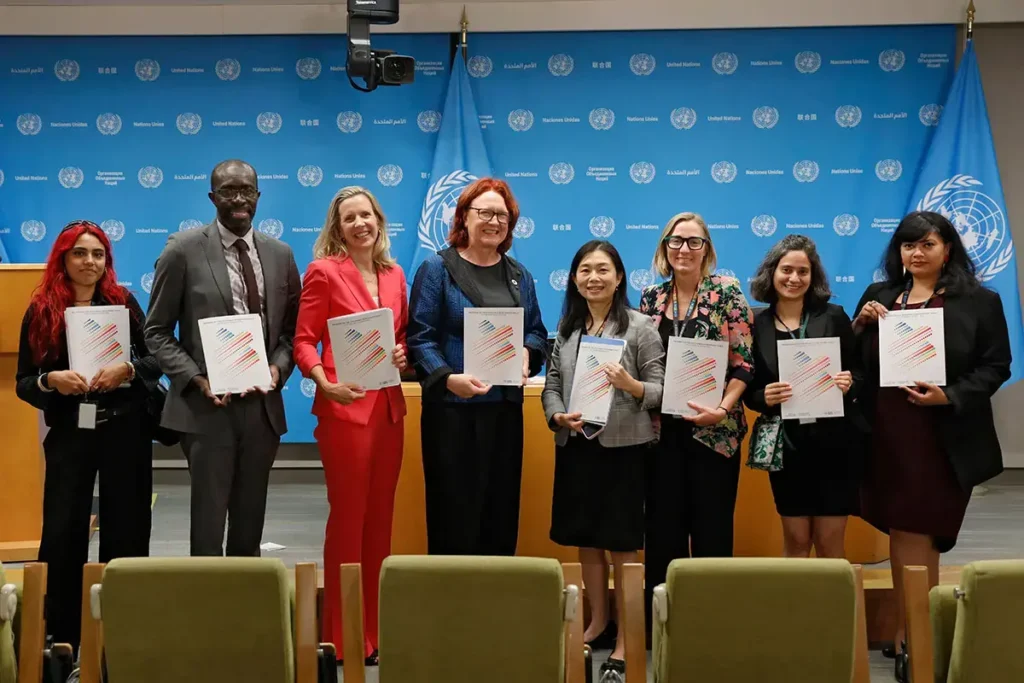
UN Women will lead several key events to move commitments into action. This includes the 17 September launch of the landmark Gender Snapshot 2026 report, the world’s leading source of data on gender equality and progress on the SDGs, from UN Women and United Nations Department of Economic and Social Affairs.
The report reveals that, in 2026, women’s leadership is failing to advance globally. In many countries, at various levels of power, it is reversing.
17 September
Gender Snapshot 2026 report: Press briefing and launch
12.30 p.m. EDT, UNHQ, Press Briefing Room S-237 and online
UN Women and the United Nations Department of Economic and Social Affairs will launch Progress on the Sustainable Development Goals: The Gender Snapshot 2026, which focuses on leadership and shows that progress towards women’s equal participation in political leadership has lost momentum. The report underscores that achieving gender equality in leadership is about increasing women’s representation as much as it is about ensuring they have equal access to positions of real authority and influence.
22 September
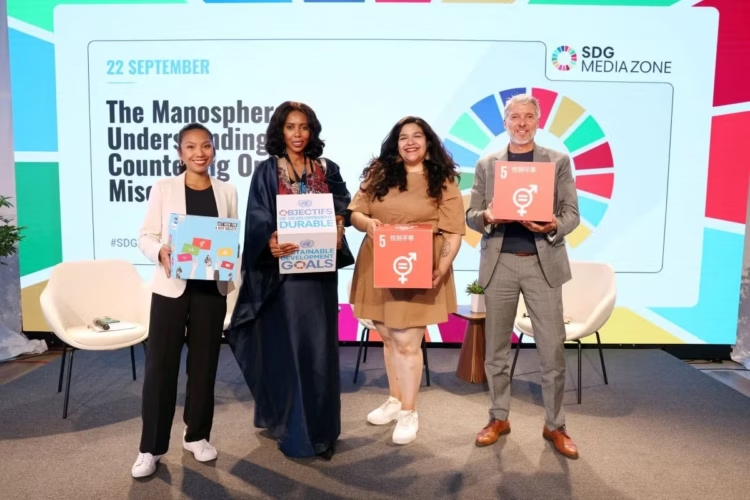
The leadership gap: Can the SDGs be achieved without women in power?
3.30-3.50 p.m. EDT, SDG Media Zone
Drawing on the latest findings from the Gender Snapshot 2026, this conversation explores what the data tells us about the state of women’s political participation, why inclusive leadership is essential to restoring public trust, and what governments, instituitions, and citizens can do to accelerate change. Bringing together global leadership, political experience, and independent voices, the session examines why achieving the SDGs requires women equally represented, wherever decisions are made.
23 September
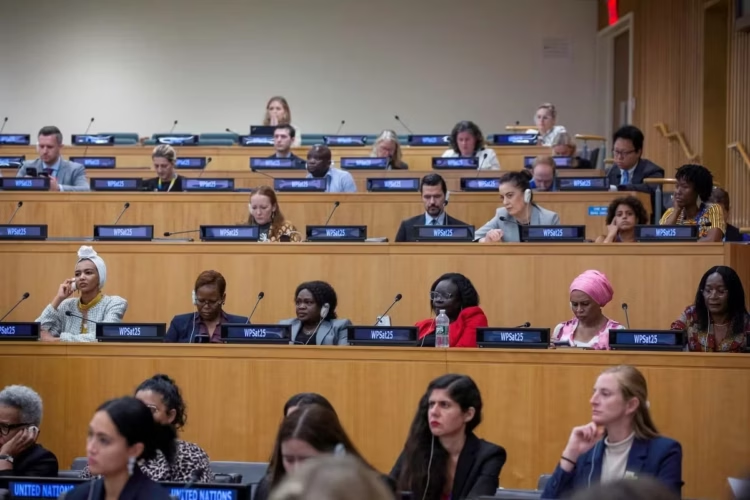
Annual meeting of the UNGA Platform of Women Leaders
1.15-2.45 p.m. EDT, UNHQ, closed meeting
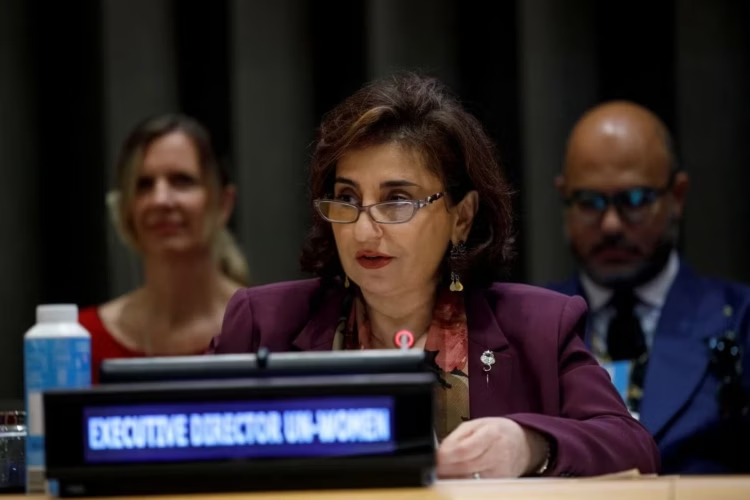
Co-hosted by the President of the General Assembly and the Executive Director of UN Women, this year’s meeting focuses on “Women’s leadership in restoring trust and managing transformation for a United Nations that delivers for all.” Discussions will identify actions to accelerate implementation of the 2030 Agenda, including through women’s full, equal, and meaningful participation and leadership, gender-responsive policymaking and financing, and more inclusive and accountable global governance.
23 September
G77 and Emerging Partners Ministerial Roundtable: Addressing TF VAWG
3.00-4.45 p.m. EDT, UNHQ, CR6
UN Women and the Republic of Croatia will co-host the G77 and Emerging Partners Ministerial Roundtable on Addressing Technology-Facilitated Violence Against Women and Girls (TF VAWG). Bringing together senior government representatives, ministers, and technology sector leaders, the event will examine the new risks created by technology, including AI-enabled abuse and the growing impact of TF VAWG on gender equality, women’s leadership, and inclusive digital transformation.
23 September
WPS Focal Points Network Ministerial-Level UNGA81 Side Event
3.30-5.30 p.m. EDT, UNHQ, CR1 and online
At “Delivering on WPS: Consolidating Implementation and Accountability in a Fragmented Security Landscape,” the Women, Peace and Security Focal Points Network (WPS-FPN), currently co-chaired by Italy and the Philippines, with UN Women as Secretariat, will mark its 10th anniversary and secure high-level political commitments to strengthen the WPS agenda within national instituitions and multilateral processes. Registration required for in-person participation.
23 September
Leadership Town Hall
3.30-4.30 p.m. EDT, SDG Media Zone
This session will explore that qualities that tomorrow’s global leaders – and particularly the next generation of UN leadership – must embody to respond effectively to today’s interconnected challenges. This Town Hall will feature Helen Clark, Irina Bokova, Susana Malcorra, and more in a discussion on female leadership and multilateralism.
24 September
Feminism and AI
10.30-10.50 a.m. EDT, SDG Media Zone
Amid a growing global backlash against women’s rights and the weaponisation of technology to harm women and girls, the fight for gender equality is more urgent than ever. UN Women’s SDG Media Zone discussion, “AI and Feminism”, brings together advocates, experts, and global leaders to examine how artificial intelligence is fueling a backlash against women and girls, while exploring its potential to help dismantle it.
25 September
High-Level Dialogue on Reinvigorating Feminist Multilateralism
3.30-5.00 p.m. EDT, UNHQ and online
The Government of Mexico, UN Women, and Karama, in collaboration with Member States and regional and civil society partners, including FEMNET, FFP Collaborative, ARROW, and Women’s Environment & Development Organisation (WEDO), will convene a high-level public dialogue to focus on the criticality of centring women’s leadership globally.
Equality and power: Why UNGA81 matters for women and girls
UN Women is calling for women’s equal access to power across every debate at UNGA81.
Across the world, poverty, conflict, climate shocks, and the backlash against gender equality are eroding hard-won progress. But there are reasons for hope: more girls are completing school; more women are serving in public office; and more countries have laws addressing violence – online and offline.
There are just four years left to achieve the SDGs. At UNGA81, decision makers must choose to invest in women’s leadership and defend and advance the rights of women and girls. That is how we build safer societies, stronger economies, and a fairer future for everyone.
Originally published by UN Women