The Women, Peace, and Security agenda

More than 25 years ago, a coalition of women, peace activists, governments and United Nations representatives broke new ground at the United Nation’s Security Council.

Together they presented evidence that showed women are essential to preventing, ending, and recovering from conflict; that gender equality is essential to lasting peace; and that women and girls are harmed by conflict in distinct ways. This led to the adoption of UNSC resolution 1325, known as the Women, Peace, and Security (WPS) agenda.

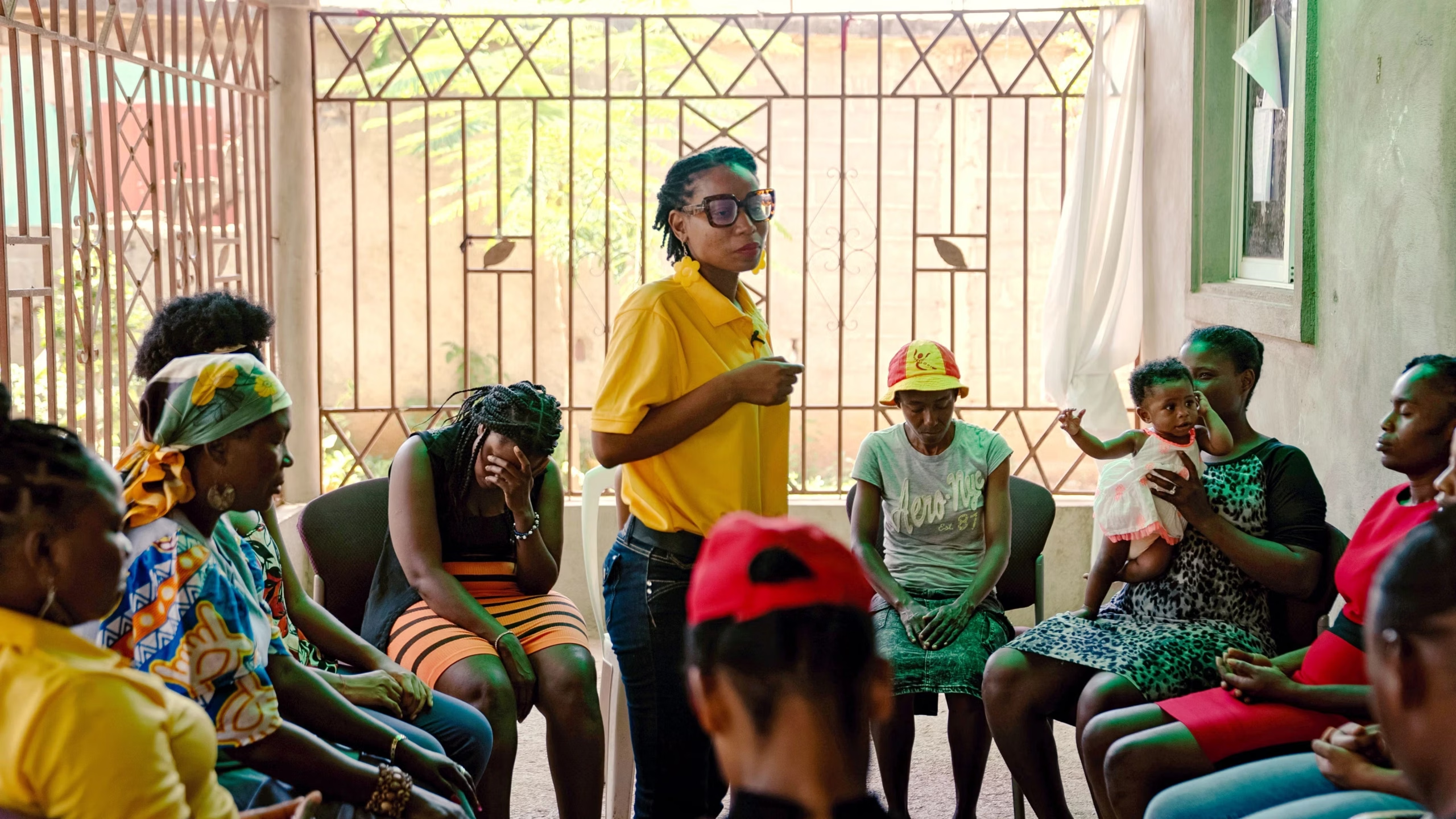
Fania Finfin (centre), President of the Groupe Féministe Révolté d'Haïti (GFRD), leads a women’s support group in Ouanaminthe, Haiti. GFRD works to uphold the rights of women and girls, providing a full spectrum of support from prevention and protection against gender-based violence, advocating for social justice, women’s rights, peacebuilding, and mediation. The women taking part in the support group have been displaced from Port au Prince following an escalation in armed gang violence and are currently living in a group home. June 2026. Photo: UN Women/Jess DiPierro Obert

The Women, Peace, and Security agenda is built on the recognition that women’s leadership and women’s security are both indispensable for national and international security.

But at a time when global military spending is at record highs, investment in what prevents war – women as leaders, negotiators, and mediators – is declining.

Wars continue to rage, and the ways in which they are fought have made them even more deadly and dangerous for women and girls.

UN Women leads the global implementation of the WPS agenda. We work to ensure women participate in decisions about peace, security, and recovery – and that women’s leadership, participation, and protection are central to peace and security efforts.

With our partners, we work in conflict and crisis zones worldwide, providing lifesaving assistance, protection, psychosocial support, and economic opportunities for women and girls.

Women are disappearing from peace tables, just as their leadership is most needed. As the UN Security Council meets for the Open Debate on Women Peace and Security beginning on October 27, this is a critical opportunity to fully enact, invest, and recommit to the WPS agenda.

Originally published by UN Women