Women farmers are essential to food security, nutrition, and climate resilience. Learn why gender equality is a requirement – not an afterthought – for more sustainable agriculture.
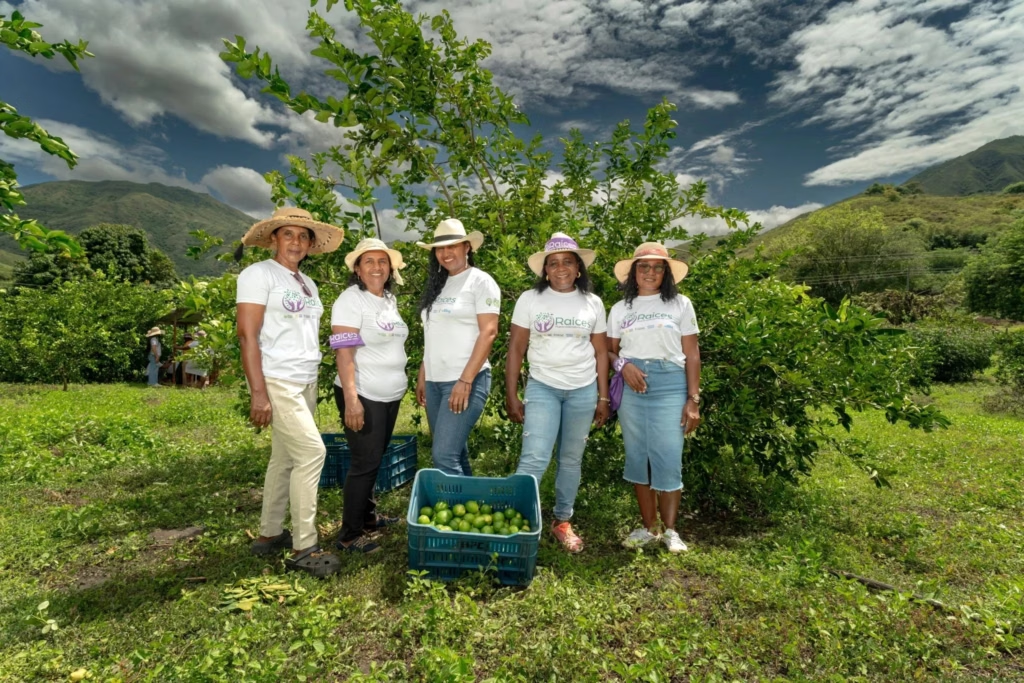
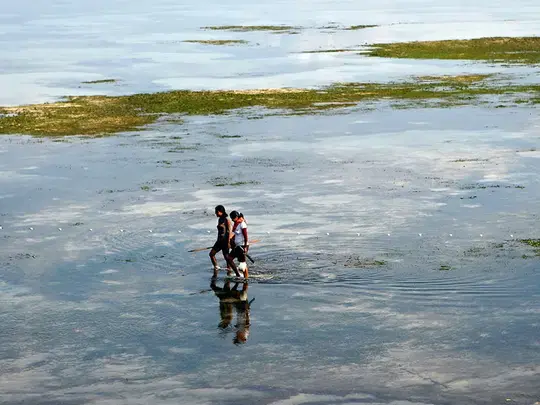
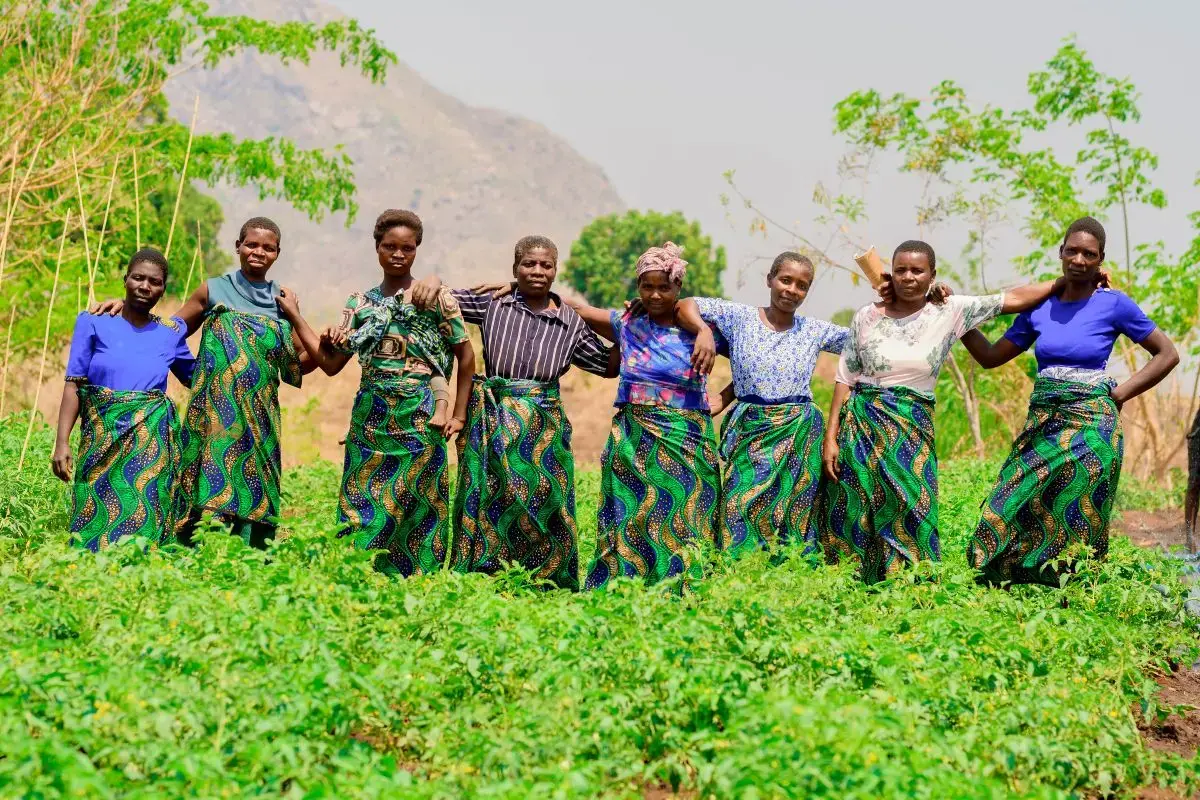
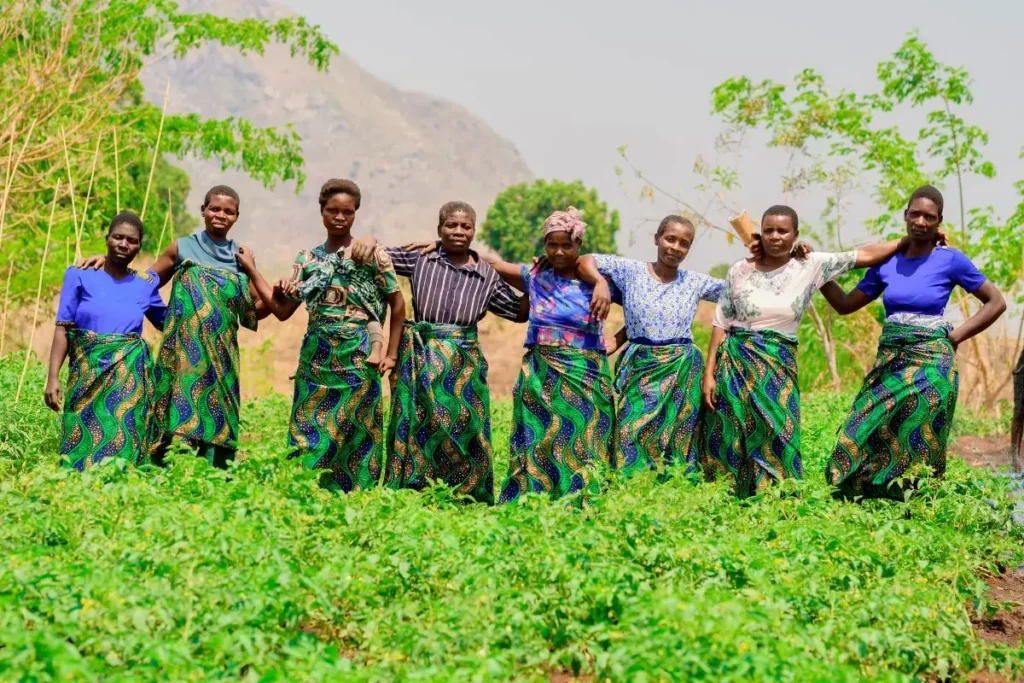
Women farmers and pastoralists are leaders, agents of change, and entrepreneurs. They play vital roles in caring for land and natural resources, supporting families and communities, and sustaining local economies.
But on top of the harsh conditions faced by many farmers – the precarious working conditions, volatile markets, and unpredictable weather – women farmers must also battle gender inequality and discrimination within their households, the agrifood sector, and society.
Gender equality in agriculture requires recognising the rights, agency, and contributions of women farmers – for the betterment of their communities and the planet.
International Year of the Woman Farmer
The United Nations declared 2026 the International Year of the Woman Farmer (IYWF 2026) to recognise women’s essential contributions to food systems, rural economies, and environmental stewardship – and to confront the structural inequalities that hold them back.
This year is also the International Year of Rangelands and Pastoralists, celebrating the environmental custodians of these vital ecosystems.
Both themes reaffirm the commitment of the United Nations to support rural women and their communities – strengthening their livelihoods while advancing inclusive, resilient, and sustainable food systems.
Why women farmers matter
Influencing healthier decisions
Women’s influence over decisions, including over household spending and farming, is associated with increased well-being, healthier diets, and better education within families and more diverse production on farms, compared to households in which men make most or all decisions.
This goes well beyond the world of agriculture. Women who lead and participate in decision-making help create pathways for other women and girls aspiring to shape their own lives and communities as leaders, independent earners, and business entrepreneurs.
Leading sustainable practices
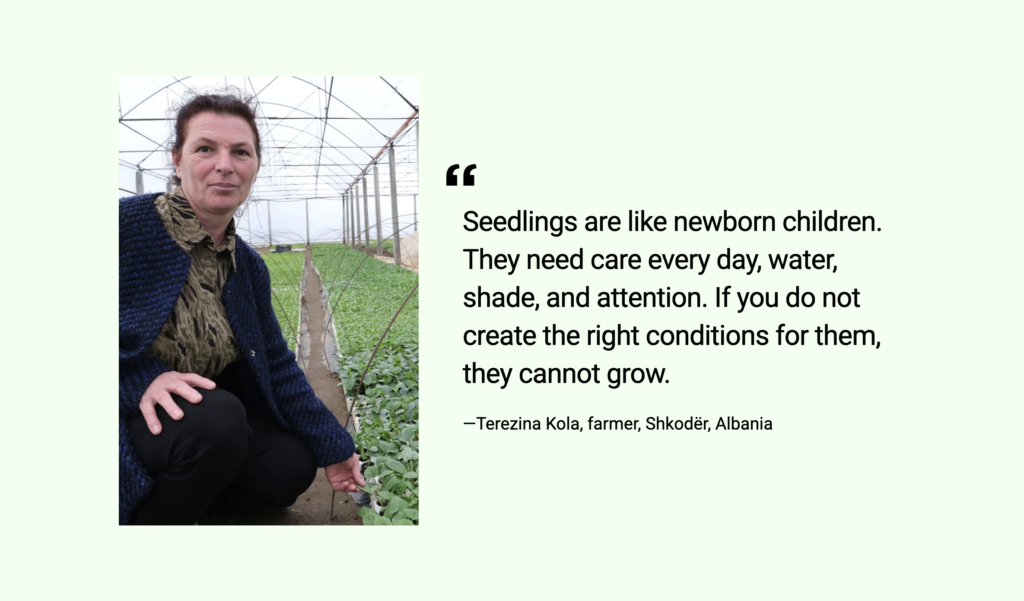
Women are often the custodians of traditional, ancestral, and Indigenous knowledge – serving as positive role models for women and girls, men and boys.
They transmit this education to each new generation, along with practices that reflect a shared responsibility to protect and conserve land, water, seeds, and biodiversity.
Inspiring collective action
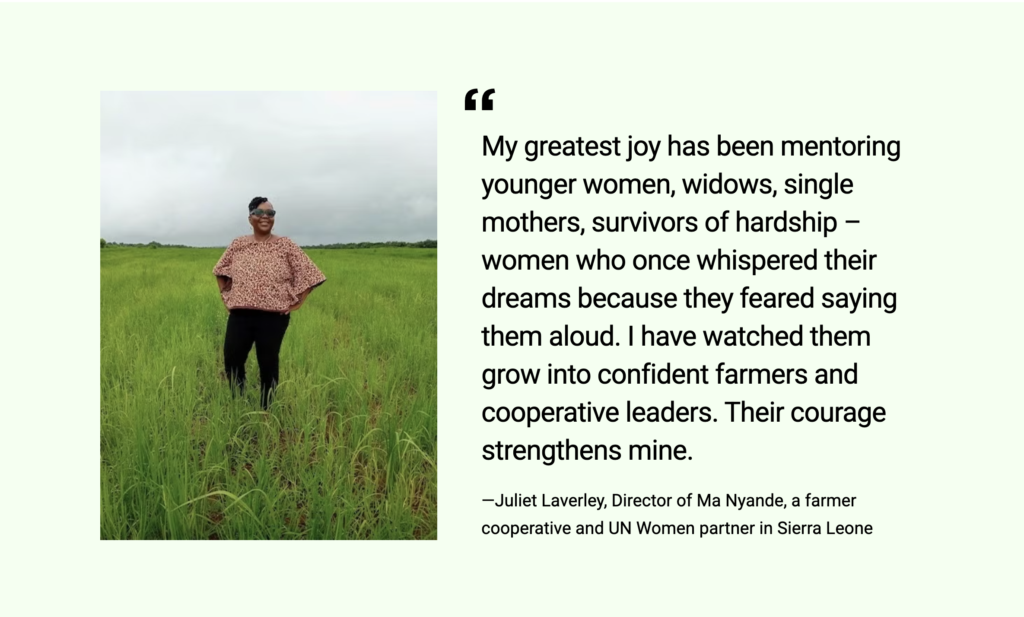
By working collaboratively, women farmers strengthen their voice and influence. Through cooperatives, savings and loan associations, peer mentoring programmes and farmers groups, women access and share resources and knowledge, build networks and markets, create more opportunities for women to shape decisions within households, communities, and local governance. This is especially important in spaces and sectors, like agriculture, where women often face barriers.
Women’s collective action not only contributes to greater income security. Working together helps make their communities more resilient to climate and economic shocks.
The challenges women farmers face
While women make up nearly half (42 per cent) of those employed in agrifood systems, women farmers face significantly limited opportunities.
Unequal pay and production
On average, women farmers earn 82 cents for every dollar (USD) that their male counterparts are paid.
And because of gender discrimination in access to financing, training, inputs, and education – especially in rural areas – women farmers produce less food than male peers (24 per cent) working the same size plot of land.
Unequal land and property rights
Women are far less likely than men to own or have secure rights over land – a disparity documented across 71 of 78 developing and European Union countries (91 per cent) with available data on agricultural land.
Significant, longstanding barriers to land ownership are felt acutely by women farmers. Unequal rights to land and property, both in law and in practice, can limit their ability to access, use, and control the resources on which their livelihoods depend.
Unequal care responsibilities
For many women, across many sectors, there is no “clocking out” at the end of a workday. Women farmers are not spared of this reality.
The unequal distribution of unpaid care work – the 2.5 times as many hours, on average, that women spend raising children, cooking for families, collecting water and fuel – means that many women farmers simply start another shift at home.
In disasters and conflicts, or because of environmental degradation and other crises, these inequalities deepen. For example, every day, women and girls around the world spend a combined 250 million hours collecting water for their households – over 3 times more than men and boys. When water is scarce, the time and energy it takes to access it increases.
Women often eat last, and least, especially when food is scarce in their households. In the face of climate shocks, women’s care responsibilities tend to increase. More time dedicated to the care of their families may mean less time to farm. Within this care–climate nexus, food insecurity and malnutrition rates can rise and women-managed farms can experience greater losses in productivity.
What gender equality means for women in agriculture – and the world that relies on them
Addressing these inequalities requires investments, policies, and actions grounded in women’s real experiences and aspirations.
Understanding the impacts of gender inequality means recognising the pregnant farmer pulling in the harvest by hand because she cannot get a loan for a tractor; the pastoralist searching for land to graze her animals during a prolonged drought, unaware of the climate-adaptive grass seeds that her male peers are using; and the girl who cannot inherit the family farm because local law does not recognise her equal inheritance rights.
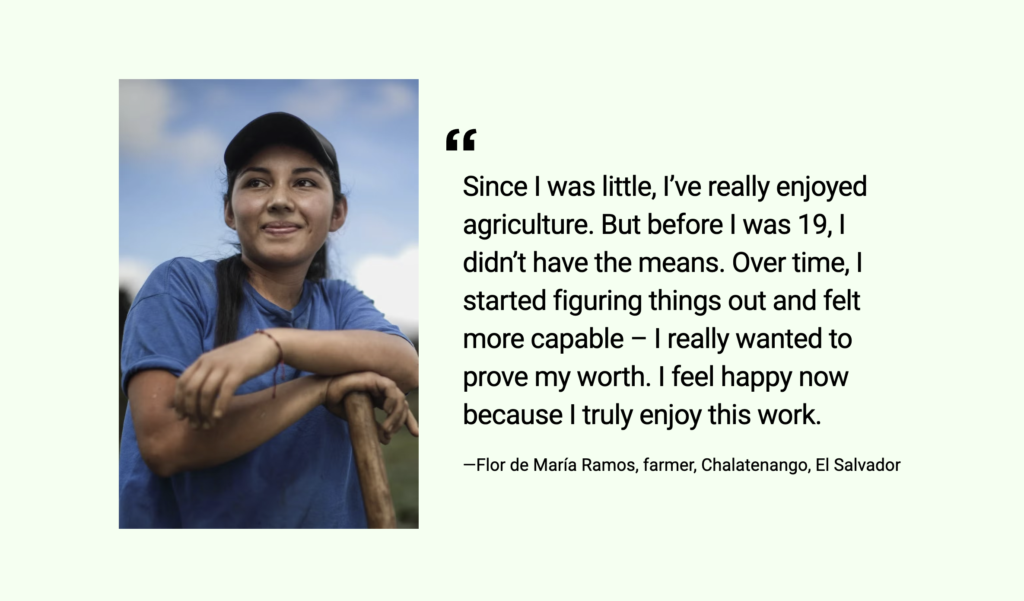
The good news? When women farmers have access to the financing, education, land, and resources they need to thrive, the benefits extend far beyond individual women, reaching their families, communities, and even the world at large.
It would also reduce food insecurity for 45 million people worldwide – FAO’s “conservative estimate.”
And it would build on the knowledge, leadership, and contributions of women and girls who are already caring for land, water, seeds, biodiversity, and communities.
How UN Women supports women farmers and pastoralists
UN Women recognises that agriculture, food production, climate change, biodiversity loss, and land degradation are deeply intertwined with gender inequality.
Building on our long-standing partnerships with women’s rights advocates and organisations, rural women, farmers, activists, governments, and development actors, UN Women works to bring about lasting change – to the benefit of entire societies.
UN Women’s feminist approach to climate-resilient agriculture, food systems, and the right to food calls for actions to:
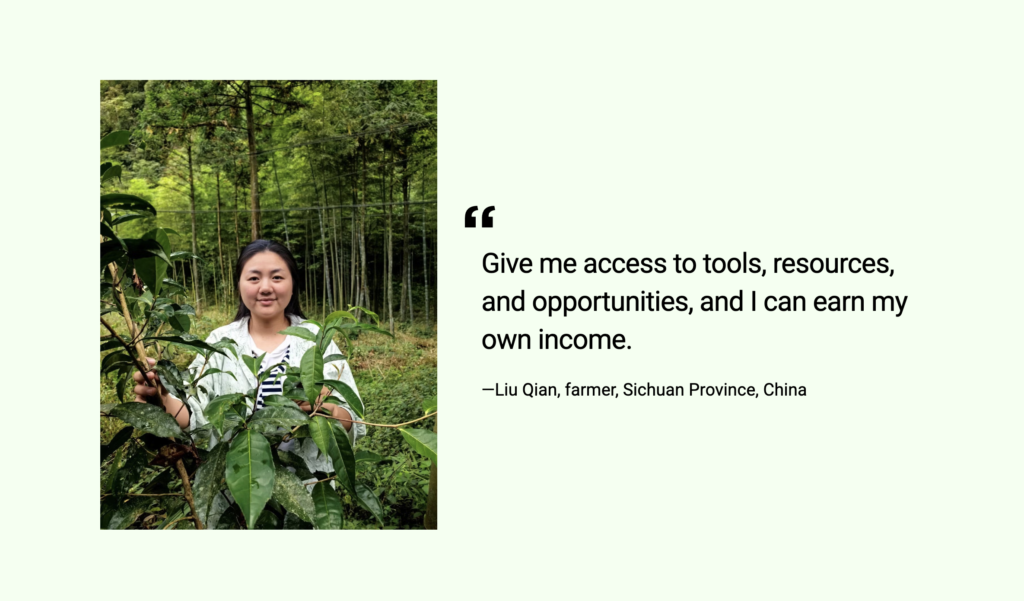
- Strengthen women’s income security and the tools to sustain their livelihoods, including training, financing, and technology, as well as social protections to see them through crises.
- Expand women’s voice, agency, and leadership. Whether in the home, on the farm, or within national and global institutions, women’s influence in decision-making is essential for equality.
- Advance gender-responsive laws, policies, normative frameworks, and institutions. This requires addressing women’s rights to land, natural resources, and economic opportunities.
- Recognise, reduce, and redistribute unpaid care work. Unequal care responsibilities remain a major constraint on women’s economic opportunities.
- End discriminatory social norms. Address the gender inequalities within homes and societies that hold women and girls back and deprive them of equal opportunities.
In practice, UN Women’s work towards these goals includes training local stakeholders on gender-responsive approaches to grant distribution; hosting leadership-development programmes for women interested in forming cooperatives; and promoting the tools and education women farmers want to increase their incomes and food security – like seed-saving techniques, methods for making organic fertilizers, and soil and water conservation practices.
With renewed global commitment to equal rights and opportunities for women farmers, rangelands, and pastoralists – backed by funding, resources, and land access – we can feed the world better, and create a more just and sustainable future for all women and girls.
Gender-responsive climate and environmental action
UN Women is working towards greater gender equality and a safer, healthier planet for all.
The portraits and quotes featured in this story are from UN Women’s series, “Women farmers caring for people and planet.” Read their stories and learn more about UN Women’s work here.
Originally published by UN Women