Sudan war: Inside the world’s worst humanitarian and protection crisis for women and girls

More than three years of war in Sudan has created the world’s most severe humanitarian and protection crisis for women and girls.

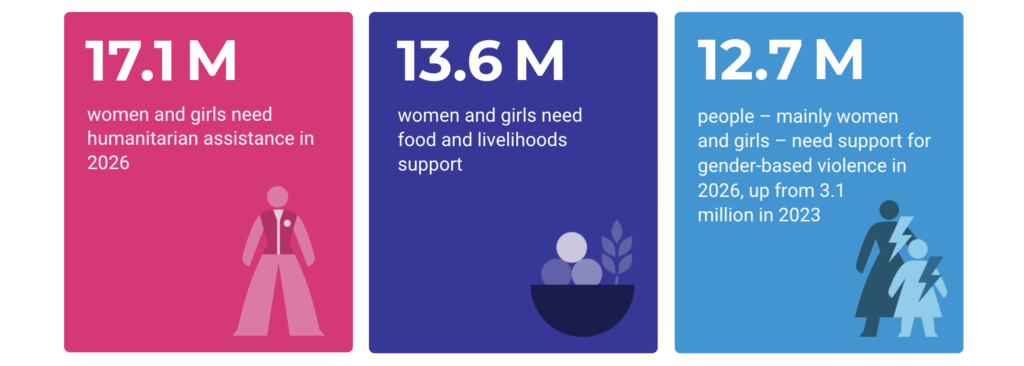
Widespread killings, mass displacement, and systematic sexual violence have left more than 17 million women and girls in need of humanitarian assistance. Blockades and ongoing insecurity have worsened already dire conditions for women and girls, who need food, safe shelter and healthcare and an end to the violence.

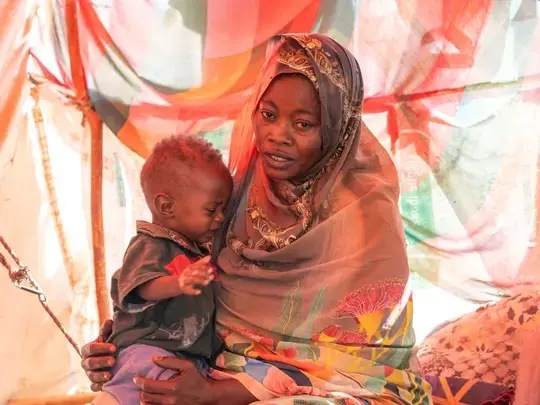
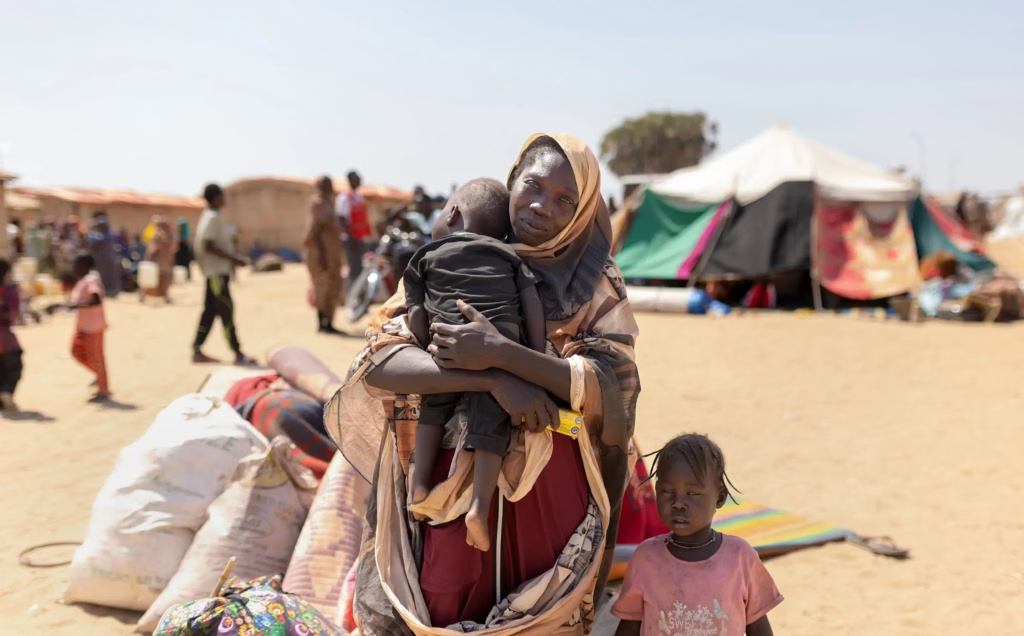
Halima with her youngest two-year-old son Samsadeen and four-year-old Intenan, upon arrival at Goz Alsalam IDP site in White Nile State. Halima fled Kaduguli in South Kordofan with her seven children, spending 21 days on the road – across mountains, rivers and borders into South Sudan before returning to Sudan. February 2026. Photo: UNICEF/UNI951456/Mohamed Dawod

Sexual violence against women used as a tactic of war in Sudan

Sexual violence is being used as a tactic of war in Sudan against individual women and girls – to terrorise, humiliate, and control entire communities. There is no place to run. Women and girls have been raped and brutalised while fleeing, in displacement camps, and while seeking food, water and shelter. They are not even safe in their homes.

The number of people – mostly women and girls – in need of support services for sexual and gender-based violence – has quadrupled since before the war. In 2026, 12.7 million required this type of support.

How are women and girls being targeted in Sudan’s war?

From sexual violence to blocked access to food, healthcare, and protection, women and girls are facing extreme risks. Learn what’s happening and why.

The impact of Sudan’s war on women and girls

Eating last and least, women and girls in Sudan are often going without food for a full day.

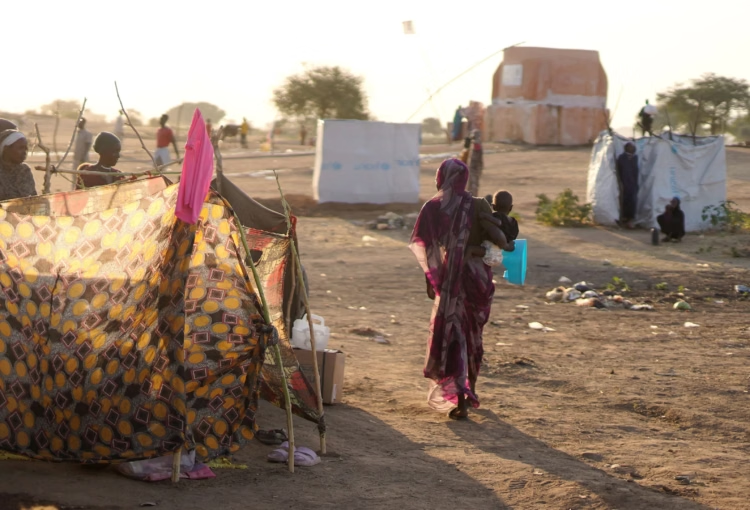
The conflict has created immense needs. Violated, displaced, and starved, women and girls are completely cut off from access to food, shelter and services in active conflict zones. Food insecurity has reached crisis levels – or worse – across the country.

Even as they struggle to survive, Sudanese women are on the front lines of humanitarian response and leading local peace efforts. Much of their work has gone unrecognised and underfunded. In a UN Women survey of 35 women-led organisations in Sudan, nearly nine in 10 said they cannot meet the growing needs of local women and girls due to major funding cuts. Alarmingly, nearly half of the organizations expected to face possible closure within 12 months.

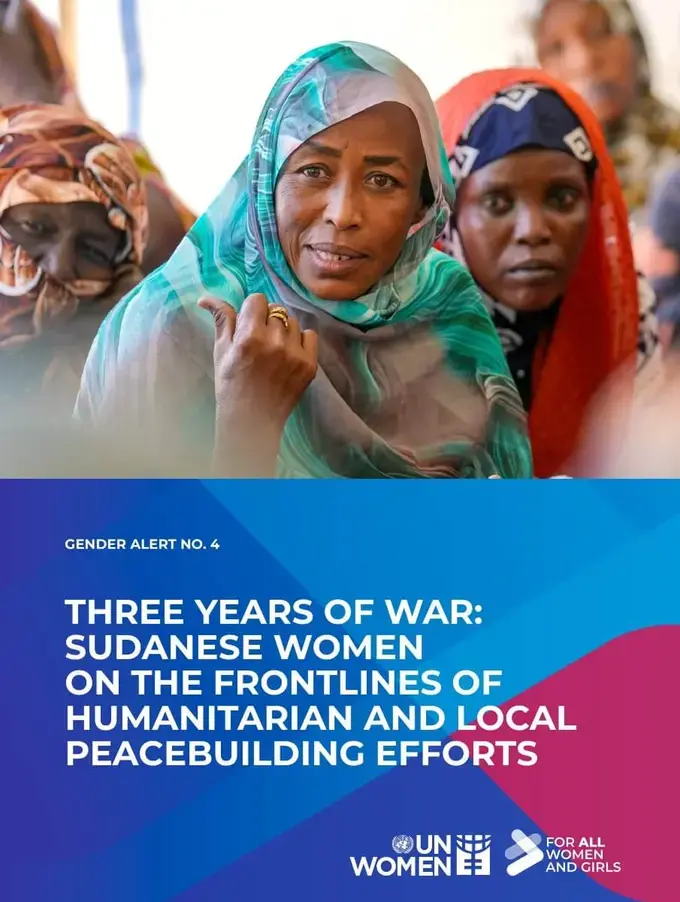
Gender alert: Three years of war: Sudanese women on the frontlines of humanitarian and local peacebuilding efforts

UN Women is on the ground, supporting women in Sudan

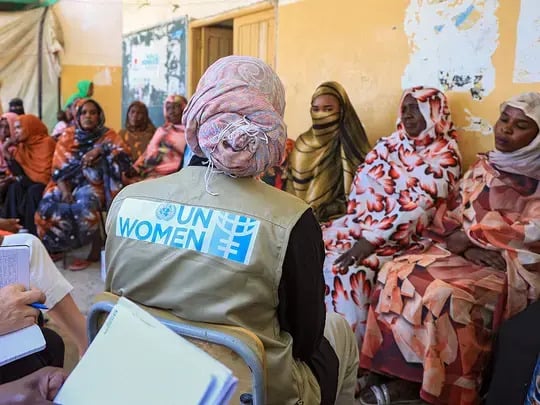
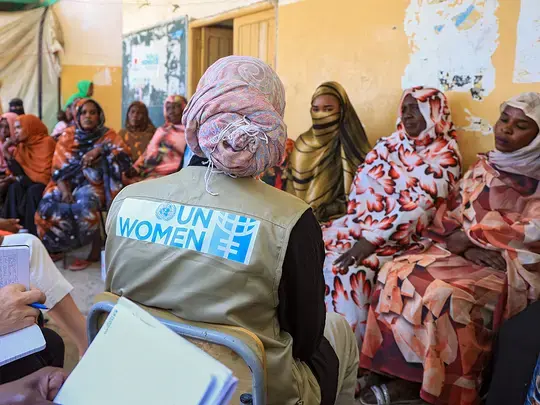
Humanitarian action cannot be effective without recognising women’s needs and agency. UN Women is on the ground in Sudan, partnering with over 45 women-led and women’s rights organisations across 15 states. We facilitate women’s leadership in humanitarian action, support the delivery of essential supplies, safety and mental health services for women and girls.

UN Women calls for an immediate end to violence, the protection of civilians, and the full, safe, and meaningful inclusion of women in humanitarian response, including direct support to women-led efforts. This is not possible without flexible, multi-year funding to women-led organisations, including allocating at least 15 per cent of humanitarian funding to women-led organisations.

Ending violence against women, including sexual violence, is urgent and it starts with ending impunity, holding perpetrators accountable, and justice for victims and survivors.

Press release: Sudan’s war on women

The number of people in need of sexual violence support has quadrupled. 

As the war in Sudan continues, abuse of women and girls has become the blueprint of war.

Originally published by UN Women

How to help women in Sudan

More than 17 million women and girls need humanitarian assistance, facing violence, displacement, and severe shortages of food, shelter, and healthcare. UN Women is on the ground providing lifesaving support, but we need your help.