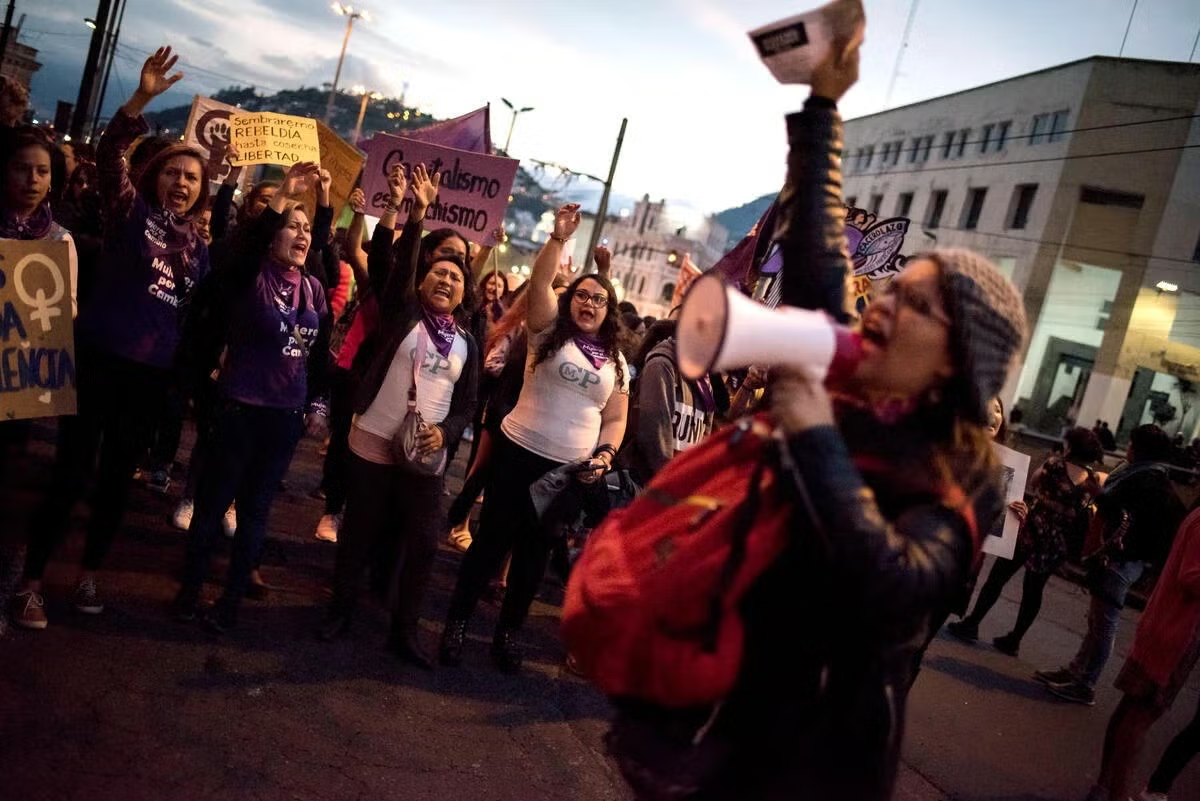
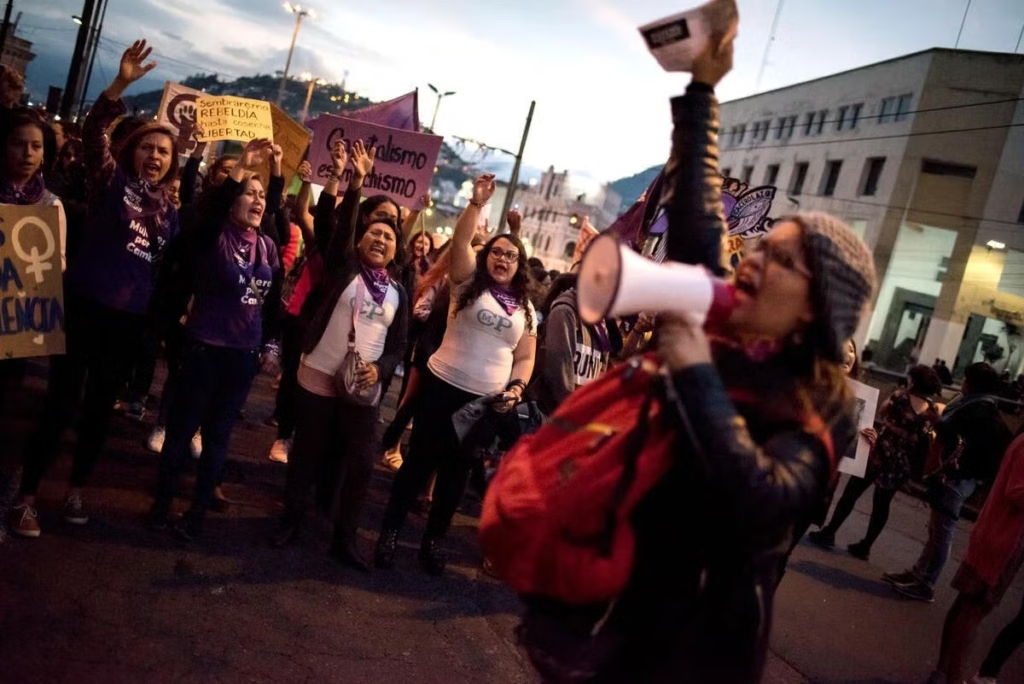
Gender-based violence affects one in three women and girls globally – an estimated 840 million. It is one of the most widespread human rights violations and yet, for millions of survivors, access to justice and support remains out of reach.
New evidence from UN Women shows that most survivors of physical or sexual violence never seek help, only a small proportion turn to the police, and help-seeking rates are declining in many countries. The findings expose a chain of failure – from the first act of violence to the absence of justice – in a world where perpetrators of one of the most widespread human rights violations too often walk free.
For many women, remaining silent is not a choice, but a consequence of the risks they face in speaking out. Women who report abuse can lose their homes, their children, and their incomes. They can be abandoned by their families, cast out by their communities, and threatened by the perpetrators they named. When women do come forward, sometimes years later, they are too often punished for speaking and blamed for waiting. Some are murdered by their abusers simply for seeking help.
The International Day for the Elimination of Violence against Women, observed on 25 November, will kick off the 16 Days of Activism against Gender-Based Violence, running through 10 December – International Human Rights Day. This year, under the theme “UNiTE to End Violence Against Women and Girls: Ensure justice, protect survivors, end impunity”, UN Women will call on women’s organizations, governments, the United Nations System, media and survivors to “orange the world” and join efforts to mobilize action to end violence against women. You can join the online conversation using #ForAllWomenAndGirls #NoExcuse #16Days.
Ahead of 25 November, UN Women and partners will release a series of knowledge products that reveal the full scale of violence against women and girls.
Key media moments
18 November: New data and interviews under embargo
The UN Women data brief “Access to Justice for Women Survivors of Violence” will be available upon request and under embargo until 23 November. UN Women spokespeople will be available for interviews.
23 November: Press conference, UN Headquarters
UN Women will present the data brief’s findings and key messages for the International Day. Follow the press conference on UN Web TV.
23 November: Activation, 16 Days of Activism, UN Headquarters
An installation of orange flags at UN Headquarters will mark the launch of the 16 Days of Activism. Orange, the signature colour of the UNiTE campaign, symbolizes hope and a brighter future, free from violence against women and girls. The installation will provide a striking visual backdrop and opportunities for photography and filming, amplifying this year’s call to ensure justice, protect survivors, and end impunity.
24 November: High-level event, International Day for the Elimination of Violence against Women, UN Headquarters
A high-level UN event will bring together UN and Member State leadership, justice advocates, and women’s rights voices to mark the International Day and launch the 16 Days of Activism. Moderated by Azie Tesfai, actor, author, producer and SuperGirl star, the event will combine high-level remarks with a focused conversation on practical action to ensure justice, protect survivors, and end impunity. Speakers include Sima Bahous, UN Women Executive Director; David Pelicot, advocate to end sexual violence against women; and Jaha Dukureh, Regional UN Women Ambassador for Africa. Follow the event on UN Web TV.
25 November: New femicide data release
UN Women and the United Nations Office on Drugs and Crime (UNODC) will release the latest findings from their joint femicide report, highlighting the killings of women and girls by intimate partners and family members.
Originally published by UN Women