The Situation
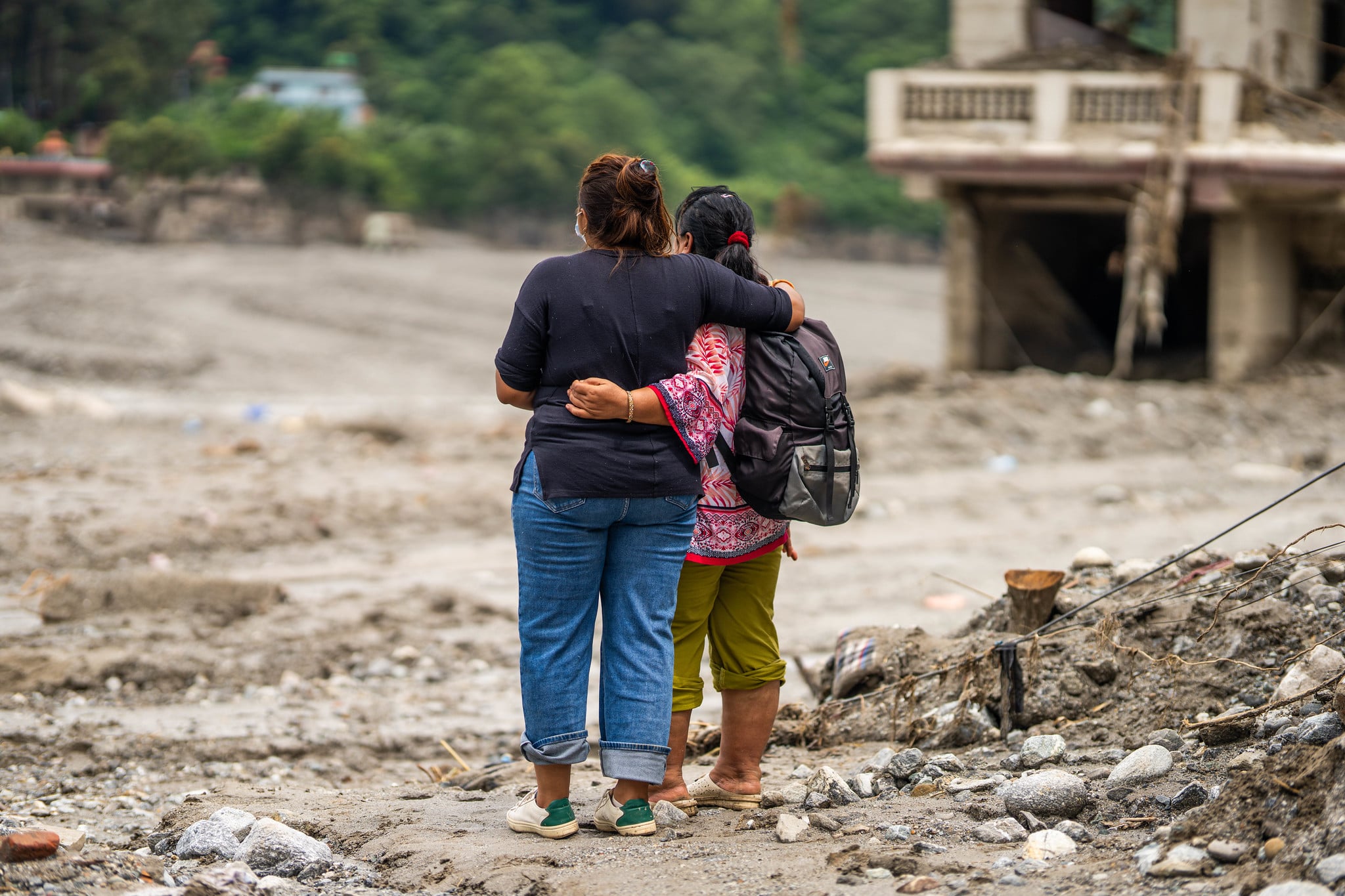
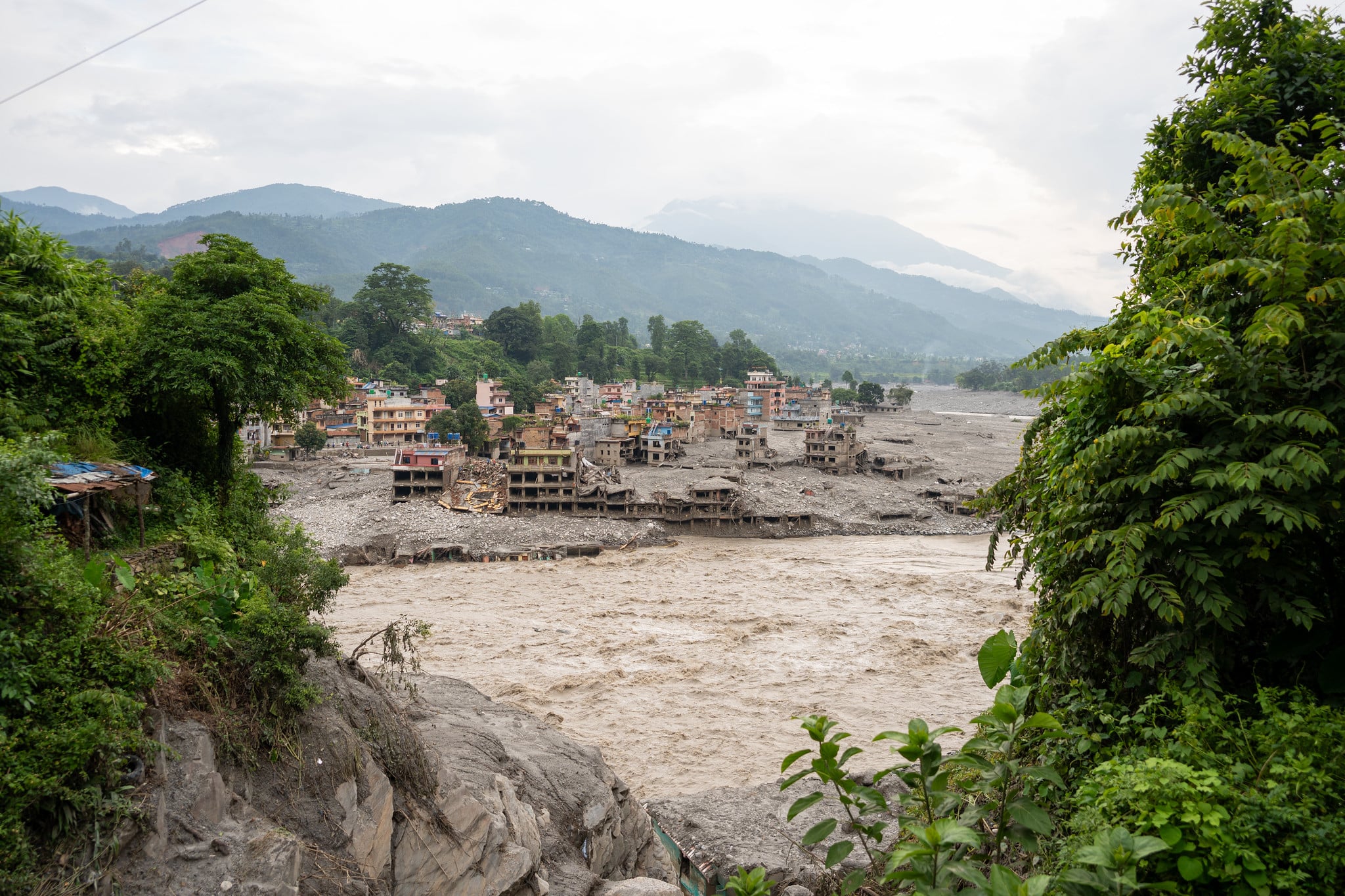
The human toll of the Nepal floods continues to rise, with more information slowly becoming available about the victims. As of 7 PM on 21 September 2026, the National Disaster Risk Reduction and Management Authority (NDRRMA) reported 1,451 bodies recovered: 336 females, 585 males, and 530 partial remains. Another 5,745 people remain missing, while 13,784 people have been rescued. To help identify victims, 1,286 DNA samples have been collected from human remains and 1,997 from relatives.
Currently, 1,215 people are sheltering in 21 holding centres across Nuwakot, Rasuwa and Dhading. The Government is offering alternative temporary accommodation or cash support to affected families who do not wish to stay in holding centres.
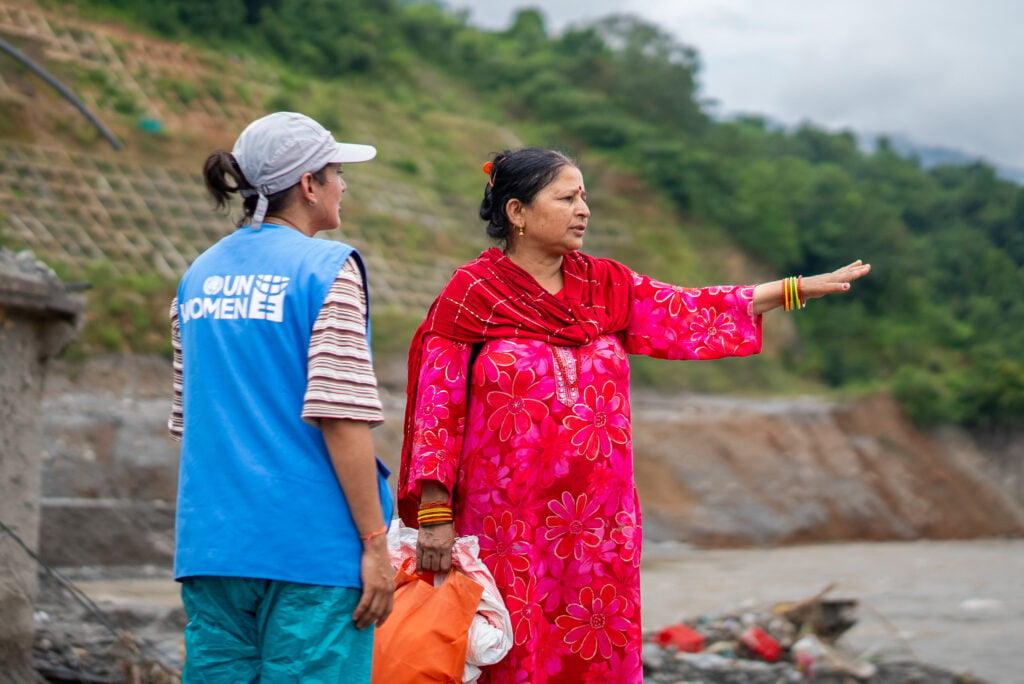
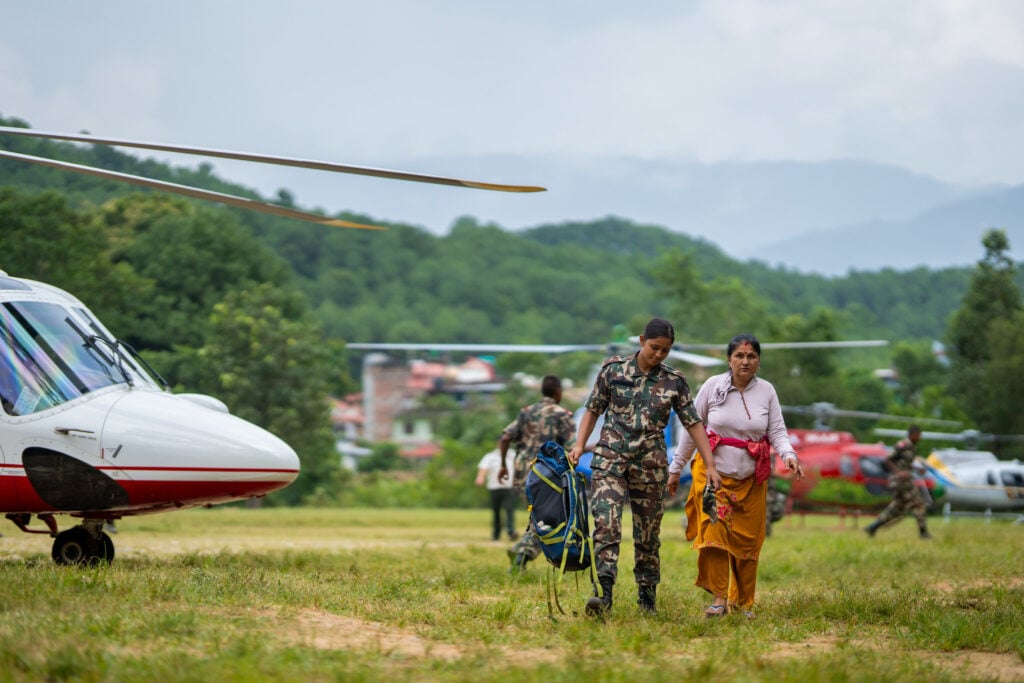
Search and rescue operations are continuing in the Chilime hydropower tunnel. Key operational challenges include difficult geographical access and transportation of heavy equipment, landslides and debris blocking tunnel entrances and roads, hazardous conditions within tunnels due to water inflow, and difficulties locating missing persons and structures. Damaged transport and communications infrastructure, along with electricity disruptions in some areas, continue to constrain response operations.
Relief assistance — including food, shelter, WASH, medical, protection and dignity items — continues to be provided to affected areas. Shelter planning has advanced through Shelter Cluster coordination and the development of transitional shelter prototypes. Key transportation and communications infrastructure has also been restored, including the Devighat Acrow bridge and the majority of affected telecom towers.
Support Women and Girls in Nepal.
UN Women’s Response
UN Women is supporting the government-led response by engaging with the Protection, Food Security and Early Recovery clusters and advocating for gender integration across the response.
Community kitchens: UN Women is currently running four community kitchens in the Rasuwa and Nuwakot Districts, serving over 15,000 meals to 938 people (434 female; 504 male, unique beneficiaries). The initiative is also creating cash-for-work opportunities for 30 local community members, more than 20 of whom are women, in coordination with local government. Initial observations from field visits indicate the programme continues to fulfil a genuine and current need at the sites visited.
Consultation with Women’s Rights Organisations (WROs): Within a week of the disaster, UN Women conducted a consultation session with more than twenty women-led organisations to help identify emerging needs and response gaps. The observations from this consultation informed Gender Alert #2, which sets out sectoral recommendations for gender equality and social inclusion (GESI) responsive humanitarian action.
UN Women presented Gender Alert #2 to a meeting of the International Development Partners Group (IDPG) – Gender Equality and Social Inclusion Working Group on 8 September, connecting with partners and donors on remaining challenges on the ground, data gaps and priorities for recovery. Key messages from the working group meeting were also shared with the IDPG Principals and co-chairs, along with the Gender Alert.
Post-Disaster Needs Assessment (PDNA): UN Women is coordinating with and supporting the government-led PDNA being undertaken under the leadership of the National Planning Commission. UN Women developed a technical note outlining its proposed approach to integrating gender into the PDNA, together with relevant annexes, which were shared with the National Planning Commission team and the Ministry of Women, Children, Gender and Sexual Minorities and Social Security (MOWCGSSS) to advocate for stronger integration of gender and social inclusion into the PDNA exercise.
UN Women is also partnering with CARE and Plan International to conduct a Rapid Gender Analysis via women-led organisations. This additional assessment is an opportunity to gather inputs that strengthen UN Women’s contributions to the PDNA, rather than a standalone exercise. UN Women is contributing to the consortium through technical input to the study design and methods, and through its WRO partners, who can be leveraged for data collection.
How Your Donation Can Help
UN Women has mobilised local women’s rights organisations and community groups as frontline responders and supported the establishment of women-led community kitchens in some of the hardest-hit areas.
Your contribution can support a holistic intervention at the intersection of nutrition, livelihood recovery and women’s empowerment. Donations can go towards:
• Cash-for-work for the kitchen management team – the community kitchens are operated by local women’s groups and affected communities, with 30 people currently working in the kitchens daily. This provides an essential livelihood opportunity for flood-affected households and gives them an active role in their community’s recovery.
• Fresh, locally procured ingredients — ensuring fresh food while supporting local markets and livelihoods.
• Stocks of nutritious, non-perishable foods, such as rice, lentils, beans and eggs, to help ensure continuity of food provision.
• Cooking equipment and utensils, which in most cases are handed over to the women’s group once the community kitchens are no longer needed.
• Fuel and cooking infrastructure, including gas cylinders and cooking stoves required to prepare hot meals at scale.
• Storage facilities, including rental costs for secure storage of food and kitchen supplies.
• Waste and hygiene management, including dustbins, buckets, cleaning equipment and cleaning products.
• Programme delivery, including coordination with local government authorities, data collection and monitoring.
• Transportation of produce, cooking equipment and of partners overseeing implementation — particularly challenging and costly given the floods’ impact on infrastructure, with costs likely to increase in the coming week due to forecast heavy rain in the affected districts.
Support Women and Girls in Nepal.