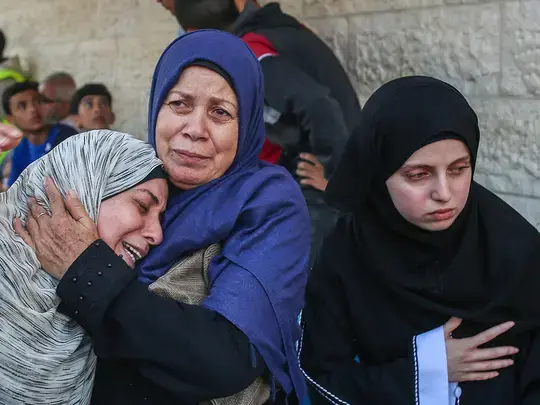
Mothers Hiba and Nour are among tens of thousands of Palestinian women navigating life alone since the war. Their stories reveal how conflict reshapes families and why humanitarian access and support are urgently needed.
The war in Gaza has reshaped household structures and family life.
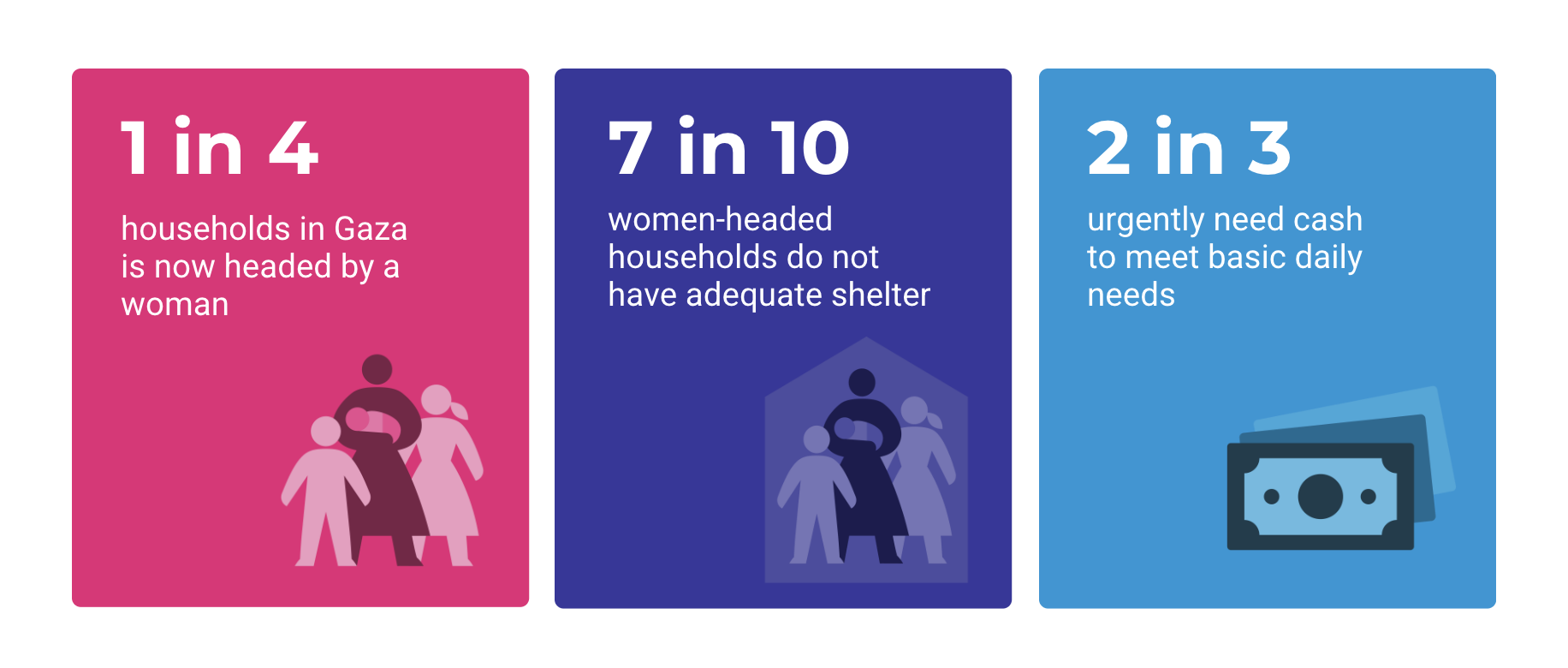
Before the war, 1 in 8 households was led by a woman. Now it is 1 in 4, representing 86,280 households across Gaza. Many of these women-headed households have lost essential support from husbands, fathers, and brothers who were killed during the war. They also include households led by women whose husbands are missing, detained, forcibly disappeared, or whose fate remains unknown.
Hiba’s story: Living with disability while raising a child alone in Gaza
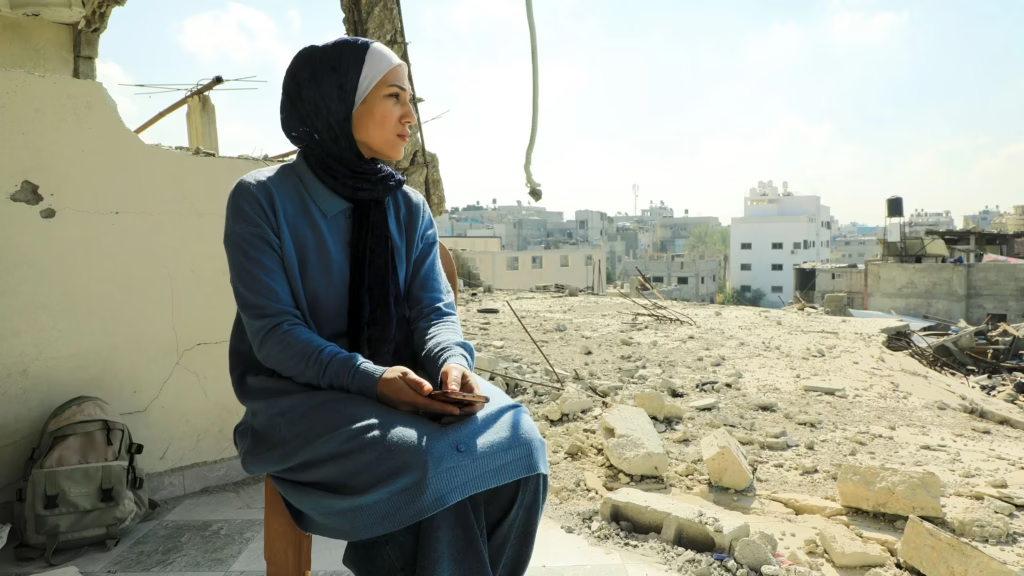
Hiba, a 34-year-old Palestinian woman living in Al-Mawasi, Khan Younis, is one of the tens of thousands of women now shouldering this new level of responsibility.
“Every time that I need something, I remember that everything I had is gone. It burned.” Hiba is raising her 10-year-old son Ahmad alone, following displacement, illness, the bombing of her home, and the death of her older brother, who was the main source of support she had after her husband left a long time ago.
For years, Hiba has lived with serious illness, including a brain tumour that led to partial loss of her sight and hearing. When the war began in 2023, her health deteriorated further and she was hospitalised with a blood clot and seizures.
“The war was very difficult”, says Hiba. “I was raising my son alone. I kept going to hospitals looking for medicine, but nothing was available.”

Hiba’s older brother was the only person she could rely on. He accompanied her to appointments, helped her communicate, and made sure she and her son had what they needed. He even built her a small home next to his family’s house so she would have somewhere to live close by. She had little income, and because she could not hear or see well, she needed constant support.
“My older brother was my support”, she says. “He was all I had in this life.”
Then, on 13 November 2024, he was killed.
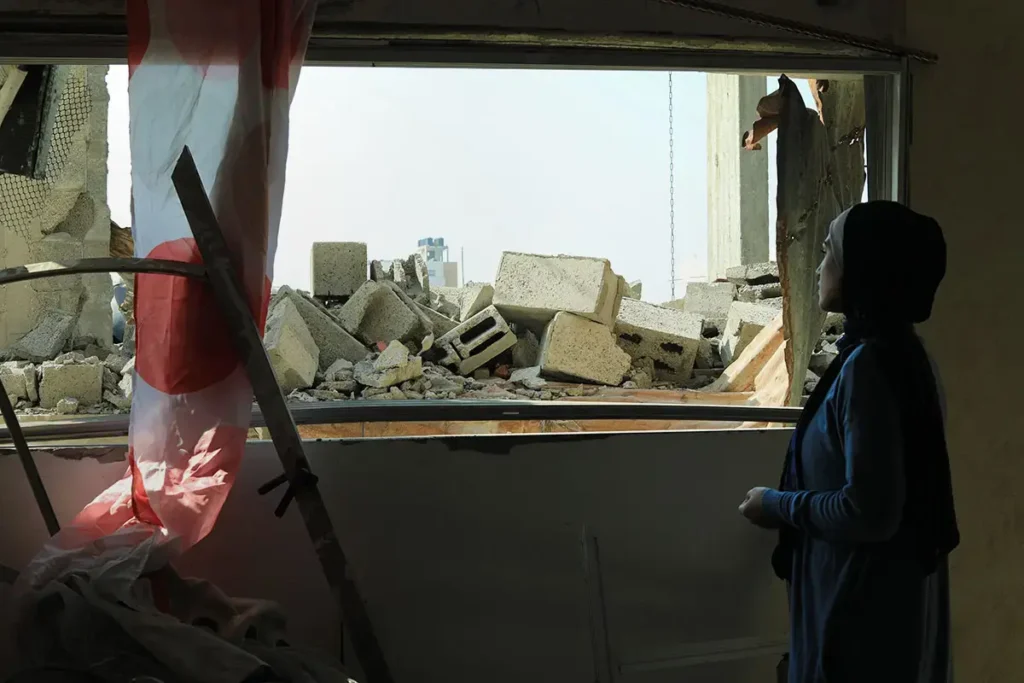
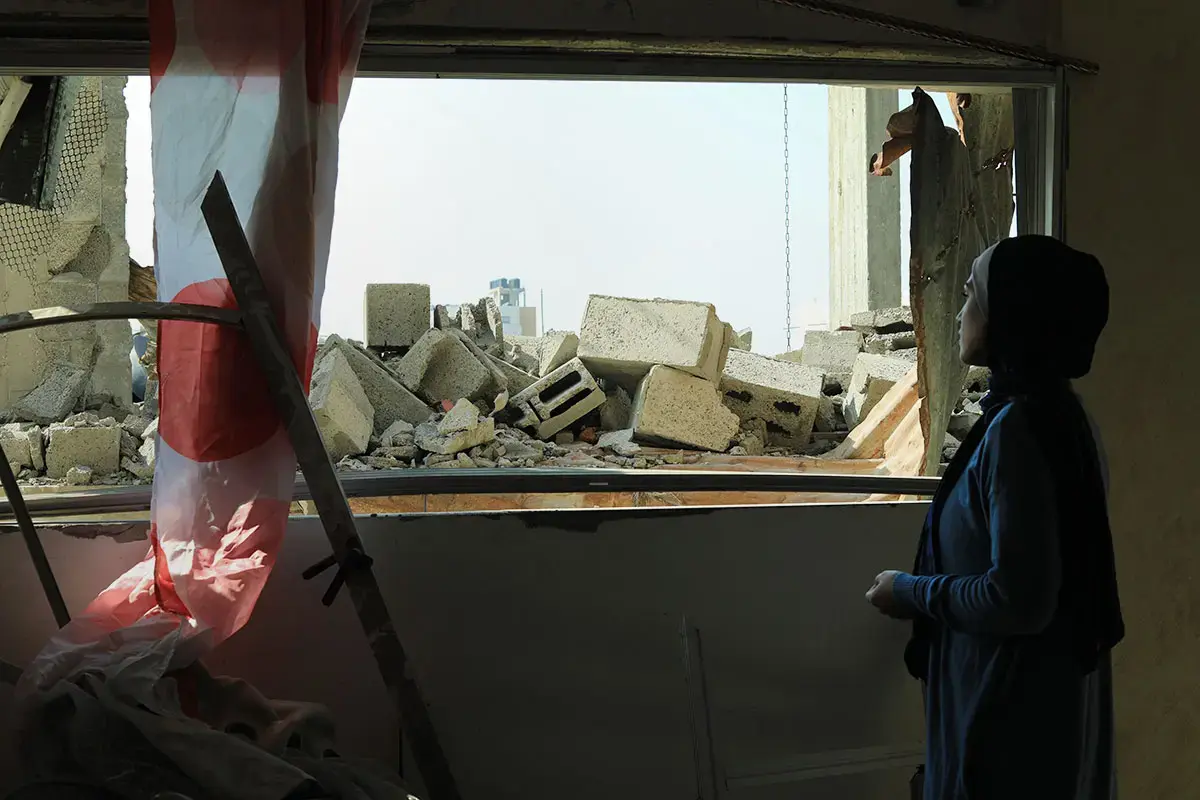
“He was everything to me. My life became completely different after that.” When the war started, the home that Hiba’s brother built for her was destroyed by bombing. “I lost everything”, she says.
“That house I lost was the most important thing, the most tender thing to me. It was from my brother, and I had beautiful memories there. But it went, and my brother went, and all my safety went with him. I no longer have a house, and I no longer had someone to support me and protect me.” – Hiba
Women-headed households have doubled across Gaza
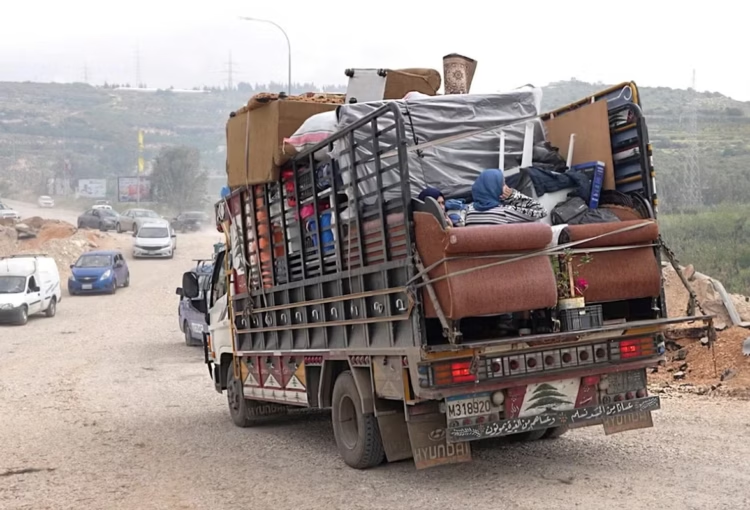
Women-heading households in Gaza face some of the hardest conditions of the war. Nearly seven in ten (68 per cent) women-headed households say they do not have adequate shelter, compared with 55 per cent of households headed by men. Their homes are also more likely to have been damaged or destroyed (74 per cent versus 67 per cent) and they have been displaced more frequently – forced to flee an average of eight times since October 2023, compared with seven times for male-headed households.
The financial struggle is equally horrific: two-thirds of women-headed households say they urgently need cash to meet basic daily needs.
Nour’s story: Parenting alone after her husband’s disappearance
Thirty-five-year-old Nour is a Palestinian artist and mother of four. She was displaced when her home was bombed. The war on Gaza left her as the sole head of her household: Since her husband, a nurse, was detained during the war, she has not seen nor heard of him.
The weight of the responsibility of raising her children alone, and the loss of her husband and home, have taken a toll on her.
“Sometimes, I would suddenly break down and cry uncontrollably. Other times I would be lost in thought, unresponsive even when my children spoke to me.” – Nour
What women in Gaza need to rebuild their lives
For women like Hiba – who are navigating loss, disabilities or health issues, along with sole caregiving responsibilities and enormous mental load – the barriers are immense. She cannot wait in long lines or stand for long periods. She cannot hear announcements. She cannot see well enough to navigate crowded distributions alone.
“I do not only suffer from a shortage of food, or from chronic illness. I also suffer in my daily life, which requires double the effort from someone in my condition. Preparing food, going to relieve myself – everything now needs double the work.” – Hiba
Through UN Women’s partner, the Aisha Association for Woman and Child Protection, Hiba has received psychosocial assistance, medical referrals, assistive devices, emergency aid and cash support. The assistance has helped her meet basic needs, access treatment, and improve her daily functioning.
Nour has found an outlet in her art. “Art and painting became my refuge from these negative emotions. They were my way of expressing the psychological pressures, the pain and sorrow I carried inside, a means to send a message to the world about the suffering of the displaced, and our struggles as mothers.”
Families in Gaza cannot rebuild without humanitarian assistance
UN Women calls for the ceasefire in Gaza to be fully implemented. We call for international law to be upheld. And we call for accountability for violations, and the protection of women and girls.
UN Women estimates that there are nearly 11,000 women and girls with lifelong injuries from the war. This is in addition to women and girls with pre-existing disabilities, like Hiba, who face barriers to healthcare, information, and protection in humanitarian settings.
Humanitarian assistance must reach those in need – at scale and without obstruction. And women and girls must be placed at the centre of response and recovery efforts. Recognising and responding to the realities of all women-headed households is essential to ensuring that women are seen and supported
In Focus: Supporting women and girls affected by the war on Gaza
UN Women works on the ground in Gaza with women-led and women’s rights organisations. We support their efforts to deliver life-saving assistance to those in need.